Yiqing Tang is a TCM clinic led by acupuncture and other external therapies, while carrying on classical internal decoctions. We believe the way through complex chronic problems lies in combining external and internal care, with patient pattern differentiation and steady follow-through.
We focus on complex conditions across the circulatory, nervous, digestive, musculoskeletal and respiratory systems, and have developed our own approach to mental and emotional conditions — calm the spirit first, then the body.
This site presents our professional scope: WHO, Cochrane and JAMA findings are cited as evidence only, with no efficacy promises; case notes strictly follow medical advertising regulations.
Our Principles
External therapies first, internal support
Pattern differentiation, one plan per person
Evidence-cited, no hype
Body and mind treated together
The Clinic & the Team
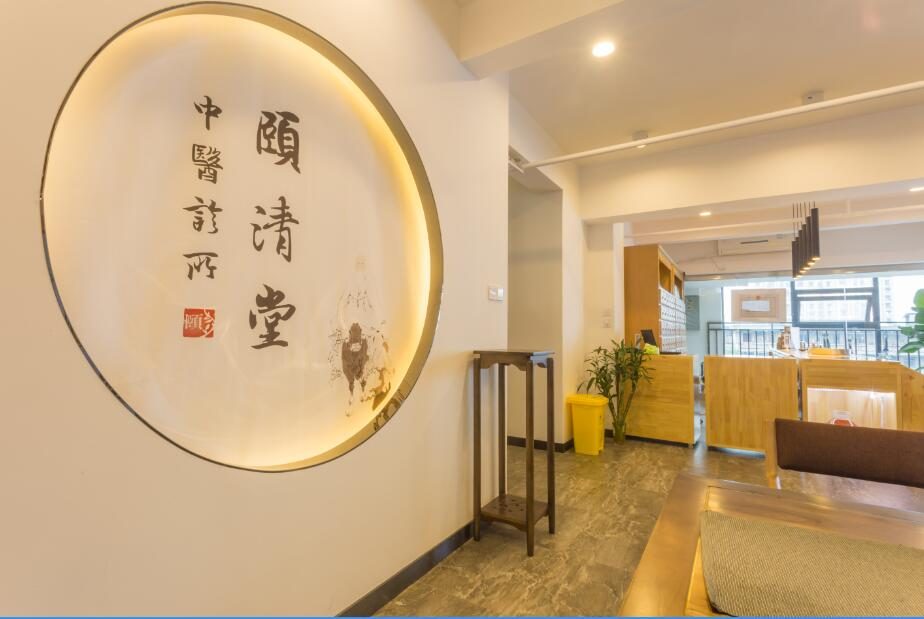
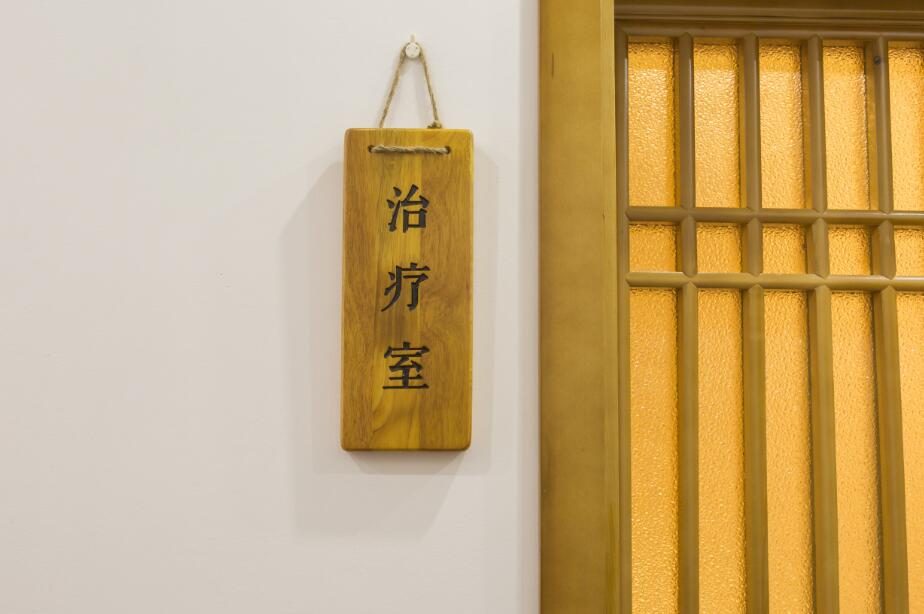
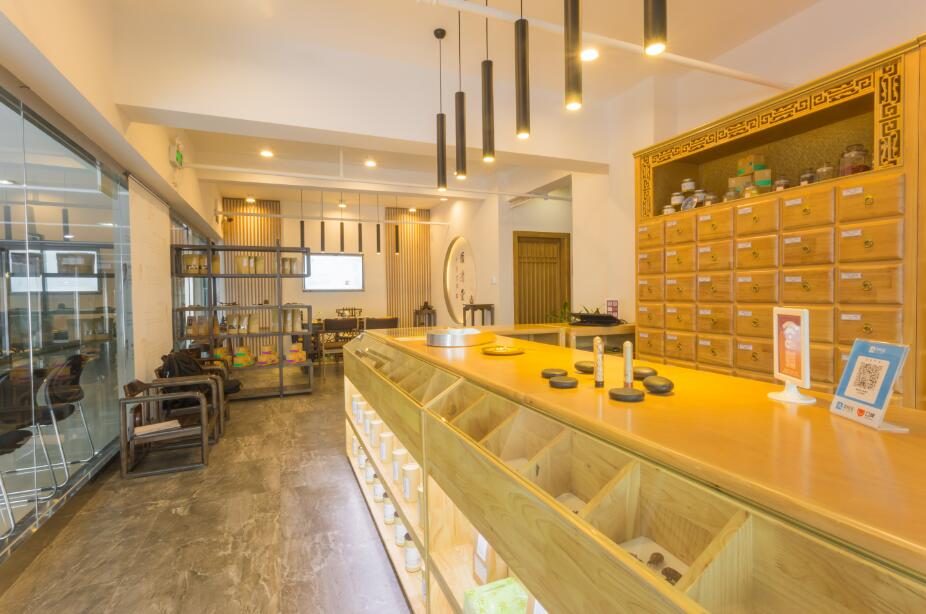
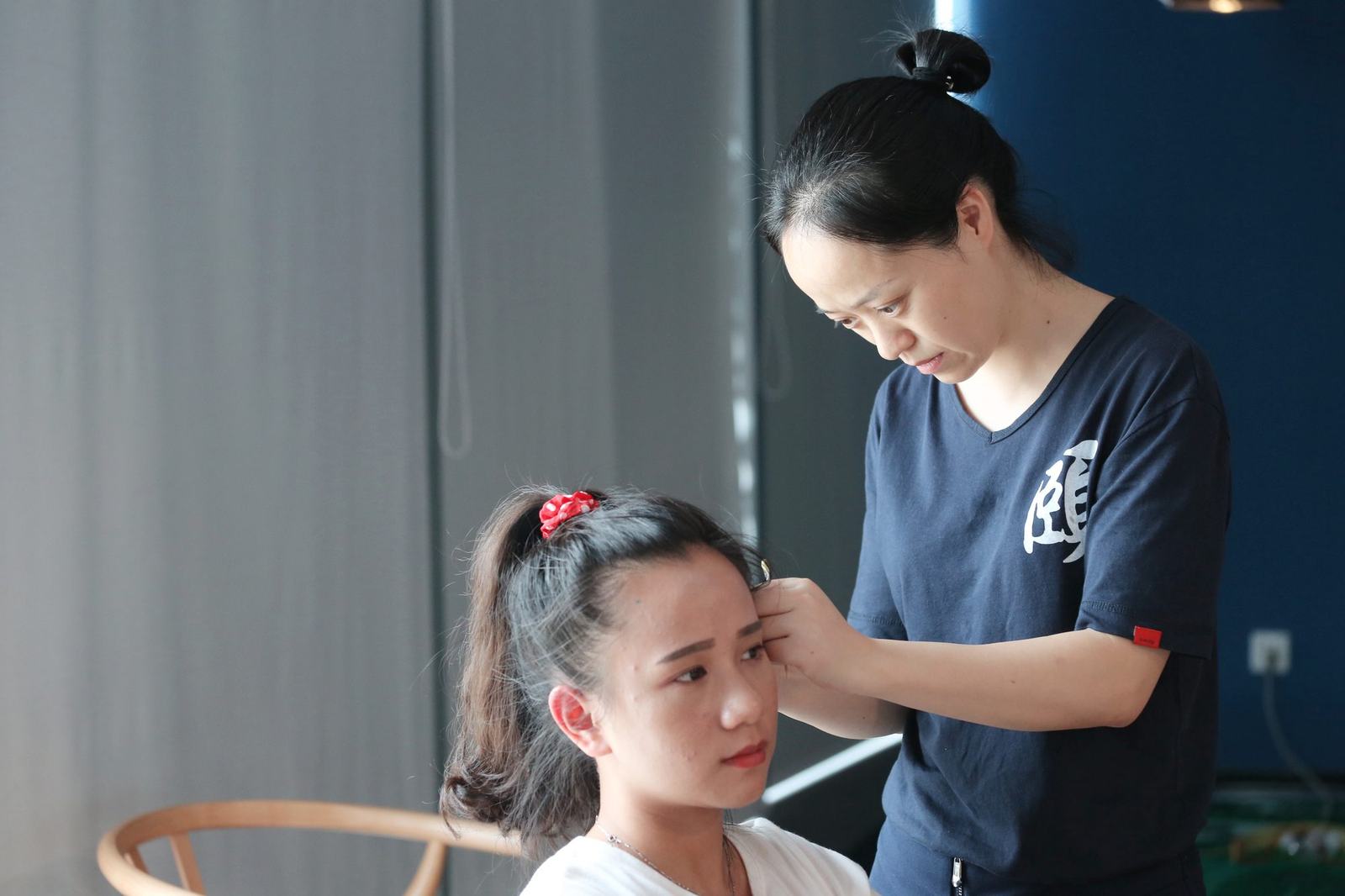
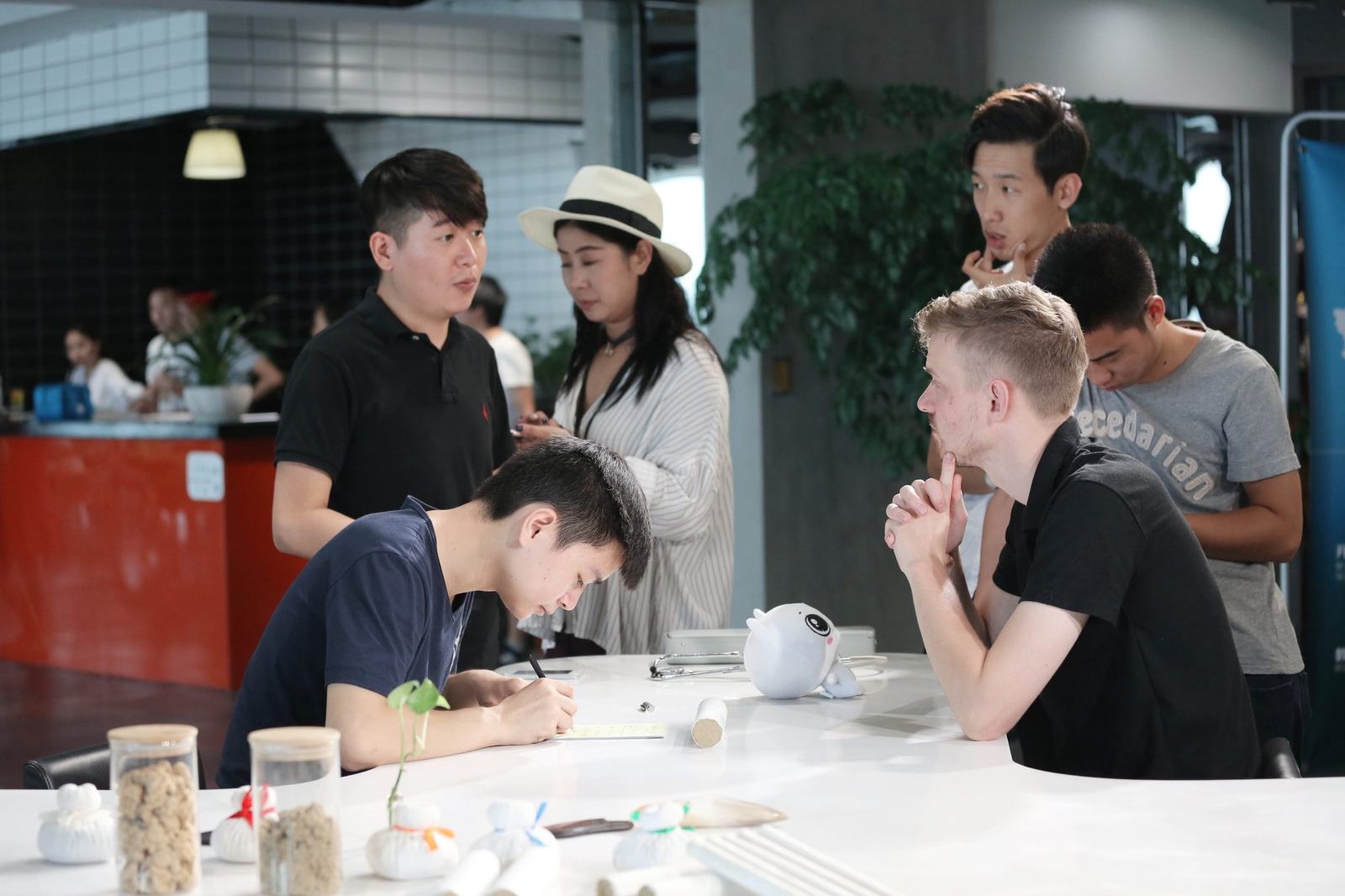
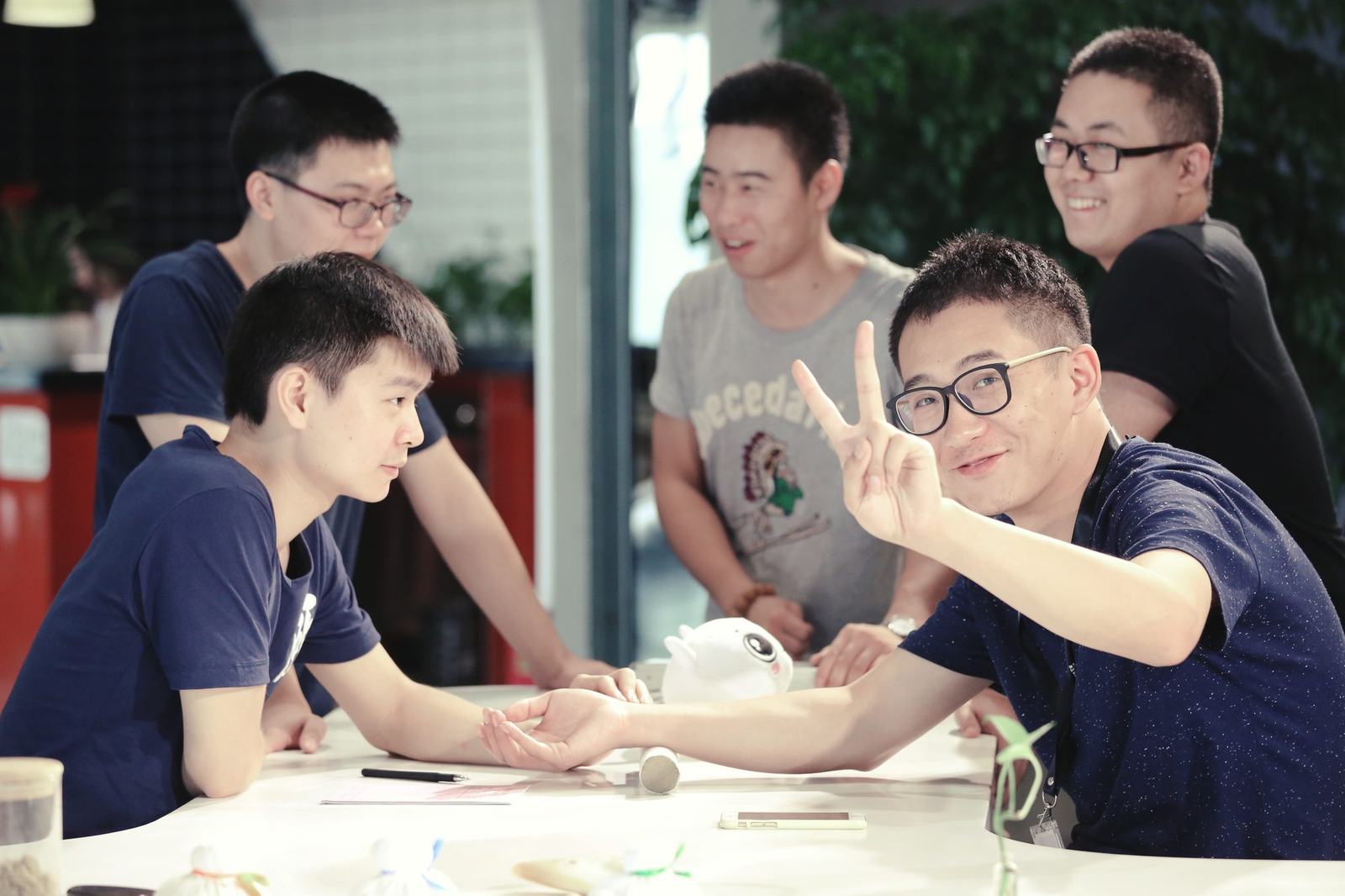
Real spaces, real practice: treatment rooms, the herbal pharmacy, and focused hands at work.
Reception hallTreatment roomHerbal pharmacyPhysician at workCase discussionThe team
Talks by the Physician
How to understand an illness, how to live with the seasons — short talks by Liu Ziyuan.
01Chronic insomnia: sort out the reasoning before the remediesWhy some people lie awake at night and others wake at 3 a.m. — understanding where insomnia comes from before reaching for fixes.Talks are in Chinese02Which kind of insomnia is yours? Telling the types apartTrouble falling asleep, waking often, waking too early — each has its own cause. Sorting the types first avoids detours.Talks are in Chinese03Low mood is not just a matter of willpowerThe chain from body to mood — why caring for the body is often the first step in caring for the mind.Talks are in Chinese04Facial palsy: the earlier you act, the more room recovery hasFrom what to do on day one to how to support recovery — timing matters most in facial palsy.Talks are in Chinese05What brings on facial palsyCold exposure, fatigue, viral infection — a look at the overlooked triggers and how to lower the risk.Talks are in Chinese06Cervical spondylosis isn't just for the elderly: a lesson for desk workersWhere the stiffness and tingling come from, how to care for your neck daily, and when to see a doctor.Talks are in Chinese07A cough that lingers: tell the types apart firstDry cough, productive cough, worse at night — different types point in entirely different directions.Talks are in Chinese08Shingles: the pain is in the skin, the root runs deeperWhy it can leave long-lasting nerve pain, and what can be done during recovery.Talks are in Chinese09After a stroke: what TCM can add to rehabilitationAcute care belongs to the hospital; here is how training and supportive care work together through recovery.Talks are in Chinese10Living with diabetes: lifestyle beyond medicationThree lines of blood-sugar management: eating, moving, sleeping — each deserves serious attention.Talks are in Chinese11PCOS: more than an irregular periodHow the hormonal axis goes awry in PCOS — and why acne, hair growth and stubborn weight are one story.Talks are in Chinese12Ovarian insufficiency: reading the body's signalsWhat shorter cycles and lighter flow may mean, how to read the lab work, and when to take it seriously.Talks are in Chinese13Mid-treatment cancer support: how TCM works alongsideDuring radio- and chemotherapy the aim is to lighten the load — how to coordinate with mainstream care and look after digestion and sleep.Talks are in Chinese14Advanced-stage care: comfort and quality of life firstWhat we do at this stage, and what we don't — said up front.Talks are in Chinese
New talks are added here over time.
What sits behind those three lines
You will want to know how we actually work and where our limits are. Here is what we are willing to spell out — what we take on, what we do not, and what your first visit looks like.
Complex-case focus
We work on chronic, recurring and multi-system problems that have not responded well to routine treatment.
Before we begin: please bring previous test reports and a list of medication you take, so anything needing medical or surgical attention first can be ruled out.
Where we stop: emergencies, acute conditions needing surgery, and active cancer treatment are referred to hospital without delay
Review rhythm: four weeks is one assessment point. If nothing observable changes in four to eight weeks, we say so plainly and discuss another route or a referral
Needle & herb, one plan
One physician does the pattern diagnosis, the point selection and the prescription — both halves come from the same reasoning.
First visit, about 40 minutes: history, pulse and tongue together with your existing records, ending with one concrete goal
An executable plan: how often the external treatment comes, how many doses of decoction, how to take it, and what to adjust at home
Herb safety: sources are traceable; if you take anticoagulants or immunosuppressants, or have abnormal liver or kidney results, we assess before prescribing
Evidence-guided
Both the condition list and the wording have a floor: cite evidence where it exists, and label experience as experience.
Grading: grade A (WHO / Cochrane / JAMA-level evidence), grade B (WHO indications plus systematic reviews), grade C (traditional strength, labelled as experiential care)
Wording floor: no “cure”, no success rates, no “fixed in a few sessions”; case notes discuss clinical reasoning, never proof of effect
Alongside your specialist: for hypertension, angina, asthma, rheumatoid arthritis, Parkinson’s or depression we work with your specialist, and medication is never stopped or reduced on our advice alone
What we say up front
No promise of cure: how far things can improve depends on duration, constitution and consistency; you get a realistic goal at the first visit
No substitute for emergency care or surgery: acupuncture and decoction work on chronic and functional problems
No hidden uncertainty: if your case sits outside what we do well, we say so and point you to the right department
From first visit to review
First visit, 40 minutesHistory, pulse and tongue, existing records; agree the goal and whether we are the right fit
Plan agreed the same dayTreatment frequency, number of doses, home care — explained in one sitting
Weeks 1–4Treatment at the agreed rhythm; changes logged each visit, and you can report concerns at any time
Review at week 4Measured against the first-visit goal: continue, adjust or refer — stated clearly either way
Press & Opinion
Our founder Liu Ziyuan has written and been interviewed for national financial media on TCM topics.