
 External therapies · Internal decoctions · Evidence-based
 Acupuncture-led external therapies integrated with whole-body herbal care.
For chronic, multi-system problems that have not responded to routine care: acupuncture-led external therapies address the symptom, pattern-based decoctions rebuild the terrain underneath — one physician, one integrated plan.
Why Yiqing Tang
Built for complex cases — a proven option when standard care alone has stalled
Complex-case focus
Chronic, multi-system and hard-to-treat problems where routine approaches have fallen short
Read how we work →Needle & herb, one plan
External therapies for the symptom, pattern-based decoctions for the terrain — prescribed together by one physician
Read how we work →Evidence-guided
Condition scope and wording anchored to WHO acupuncture indications and international clinical research
Read how we work →What We Treat Best
Acupuncture-led external therapies with decoction support — six specialty domains
Nervous System
Headaches, palsy, stroke rehab, neuralgia
Circulatory System
Adjunct care for blood pressure, chest discomfort, lipids
Digestive System
Bloating, reflux, IBS, constipation, diarrhea
Musculoskeletal
Neck, back, joint pain; soft-tissue injuries
Respiratory System
Rhinitis, asthma remission, chronic cough & throat
Mental & Emotional
Anxiety, low mood, sleep, fatigue — calm the spirit first
Don’t see your condition? Ask if we can help →
Signature Therapies
Five external methods, supported by internal decoction — one plan per person
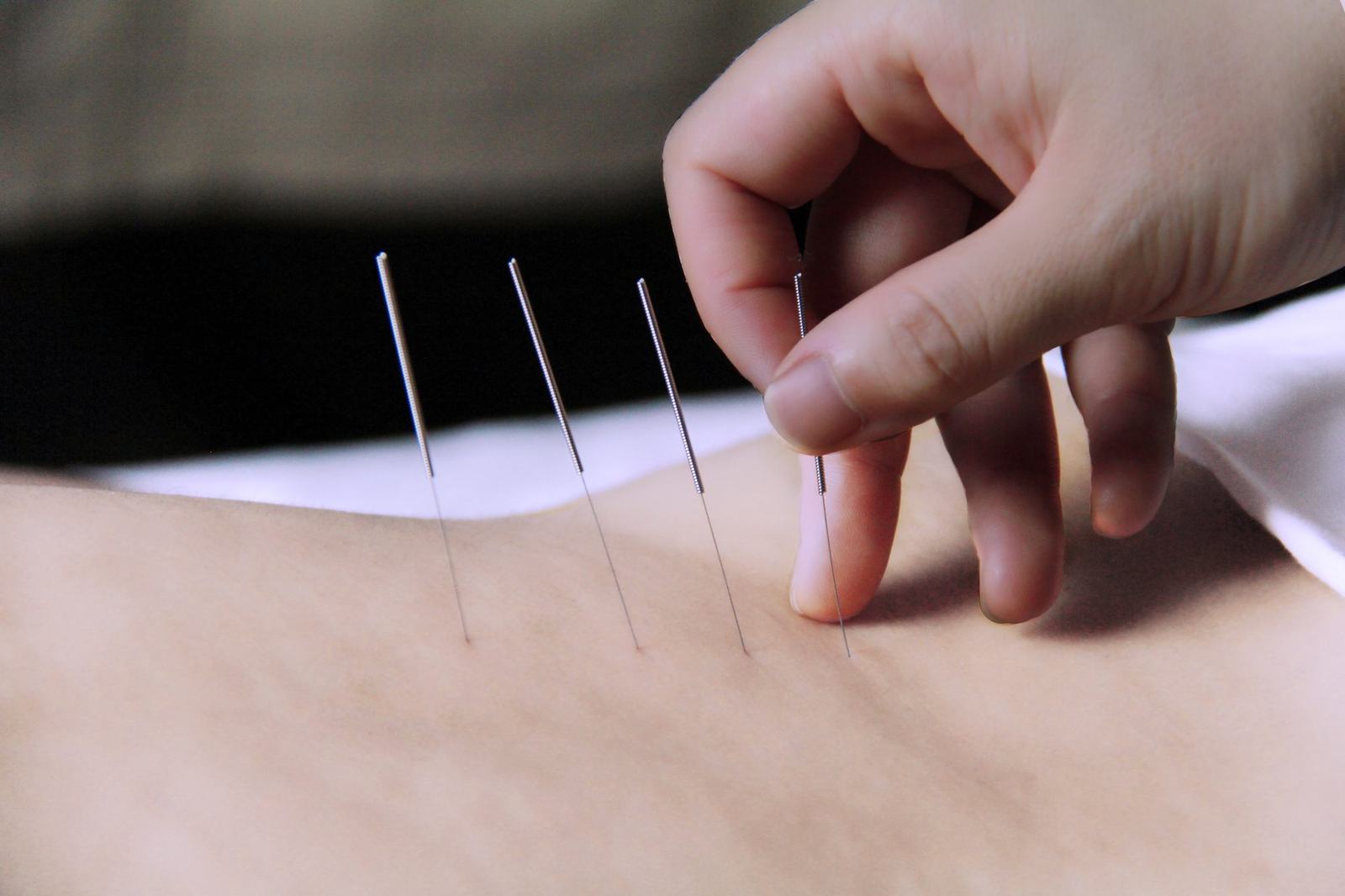
Acupuncture Sterile single-use fine needles, points chosen by pattern, little discomfort What to expect+
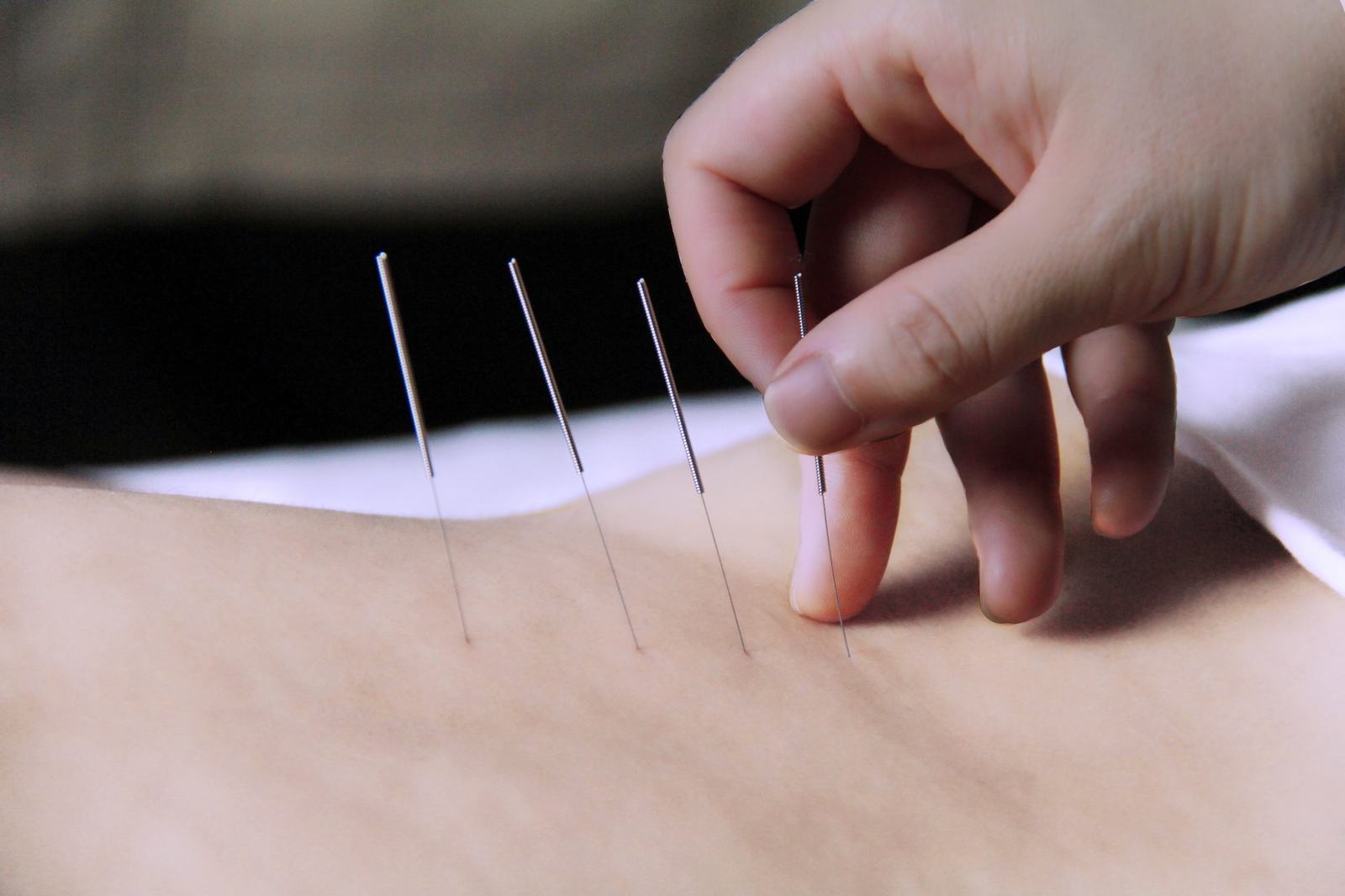
What it feels likeInsertion feels like a brief pinprick; then a dull ache, heaviness or warmth as the point is reached — not pain. During the 30–40 minutes that follow, most people relax deeply, and many fall asleep.
- Sterile, single-use needles about 0.2 mm thick — far finer than a blood-draw needle. Points are chosen from your pattern, not a fixed protocol. Needles are used once and discarded, and the skin is cleaned first.
- A typical session runs 30–40 minutes lying quietly. Acute pain may be treated every other day; ongoing care is usually once or twice weekly, reviewed at four weeks.
- Please tell us at the first visit if you take blood thinners, have a pacemaker (relevant to electroacupuncture) or are pregnant — we adapt the plan or avoid certain areas.
- Commonly used for chronic pain, migraine and tension headache, neck, shoulder and low-back pain, insomnia and anxiety, and chemotherapy-related nausea. It can run alongside your other medical care.
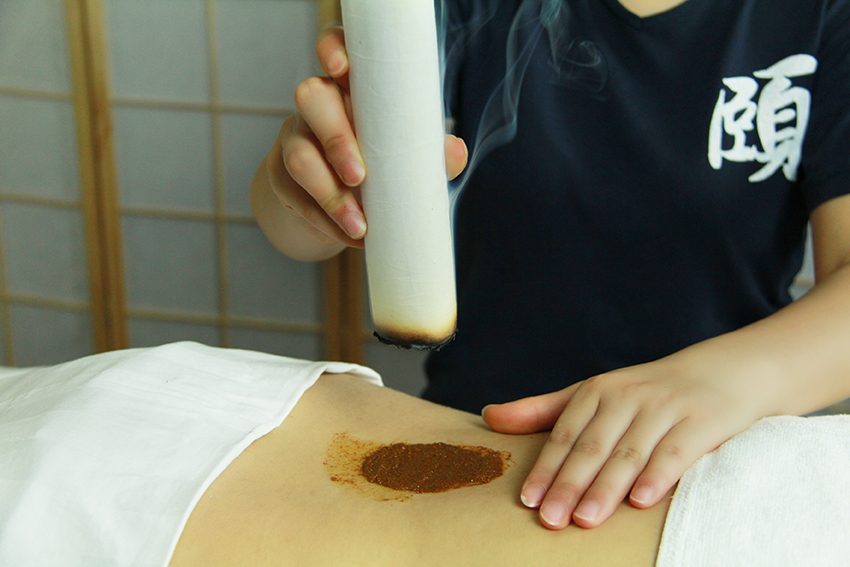
Moxibustion Five-year aged mugwort, high-purity moxa — plain and medicated What to expect+
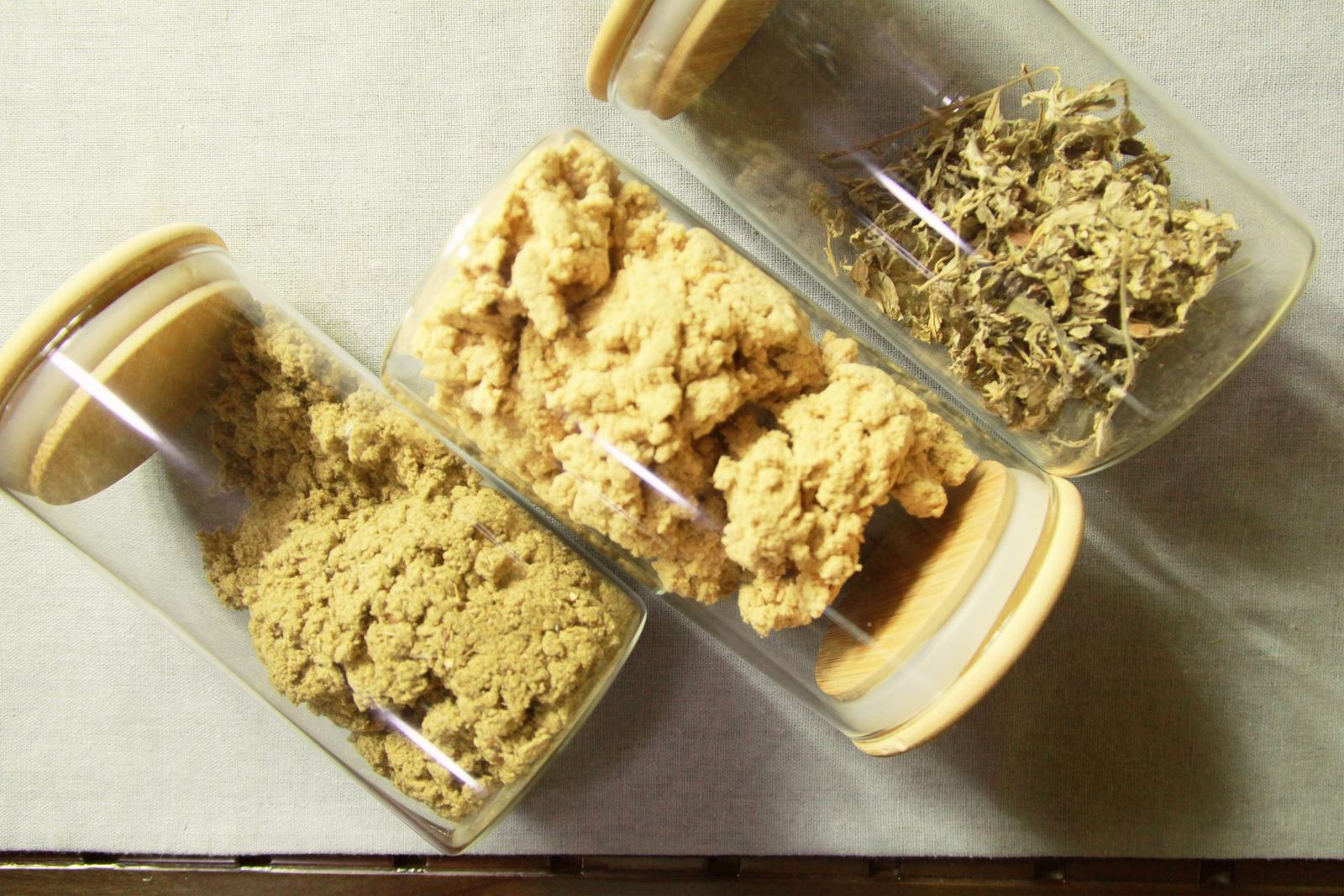
What it feels likeA mild, slowly spreading warmth, more like sunlight than heat. Aged moxa burns gently rather than sharply. We hold the stick at a controlled distance and check in with you as it goes.
- We use high-purity moxa made from mugwort aged five years or more: less stalk and impurity, lighter smoke, and a warmth that penetrates rather than stings. Two forms are used — plain moxa (pure aged mugwort, for general warming) and medicated moxa (herbs added to suit your pattern), chosen by the practitioner. Applied as moxa sticks, indirect moxibustion and warm-needle technique, plus seasonal moxibustion at the solstices.
- Typically 20–40 minutes, usually in the same visit as acupuncture, so it does not mean an extra trip.
- Smoke-free moxa is available if smoke bothers you. Please tell us if you have diabetes or reduced skin sensation — heat over an area with impaired sensation carries a burn risk, so we shorten the time and increase the distance.
- Commonly used for cold sensitivity, cold-type chronic loose stools and digestive weakness, period pain, cold aching joints, recurrent infections, and allergic rhinitis (seasonal moxibustion).
Steaming & Soaking Medicated steam first, then a warm soak — heat carries the herbs into sinew and joint What to expect+
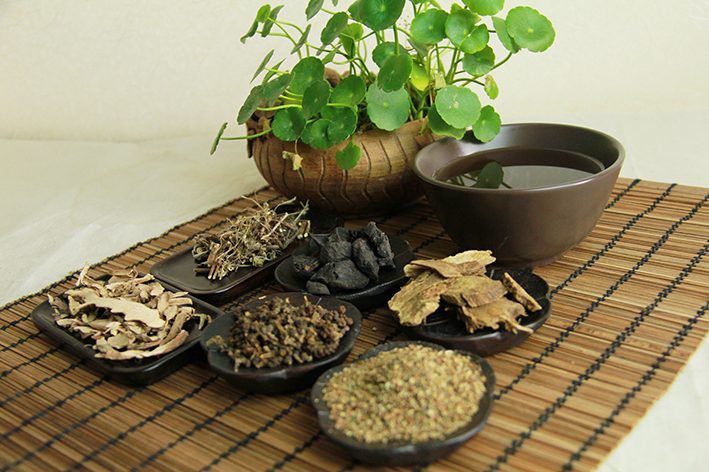
What it feels likeWarm vapour, then a herbal bath around the affected area — usually pleasant. Temperature is tested and adjusted before you start.
- Your decoction is first used as steam, then, once cooled to a safe range, as a soak. Heat carries the herbs into skin, muscle, sinew and joint — most often for the limbs.
- Typically 15–30 minutes, often alongside acupuncture or tuina, and usually for a local problem rather than whole-body treatment.
- We control and test the temperature. It is not suitable if you have broken or infected skin, acute phlebitis, severe varicose veins, a diabetic foot or reduced sensation — please tell us first.
- Commonly used for cold, stiff joints, cold or numb hands and feet, chronic overuse strain, swelling after exertion, and cold exposure after childbirth or during menstruation.
Aromatherapy Herbal aromatics and single essential oils — inhaled or diluted on the skin What to expect+
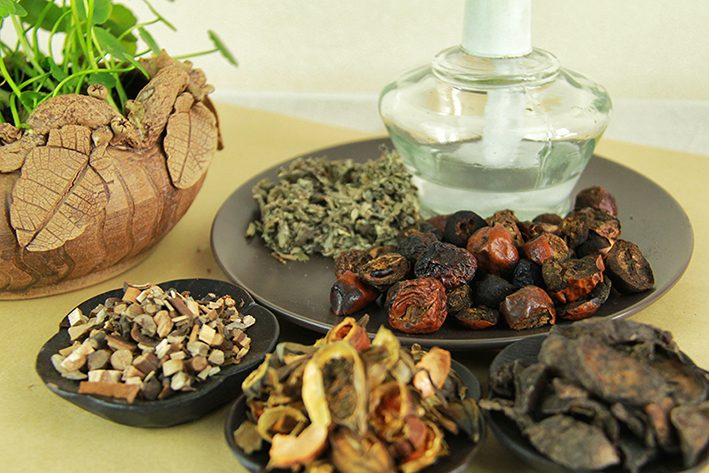
What it feels likeThe herbal aromatics are light and clean; the oils are pre-diluted and gentle on the skin. Most people notice a clearer head or a calmer mood. A blend applied to the skin usually feels warm or cool — not irritating.
- Two routes. Herbal aromatics — mint, angelica dahurica, chuanxiong, chrysanthemum — are decocted or made into a sachet and inhaled through the nose, acting on the head and on mood. Separately, single essential oils are blended and diluted in a carrier oil for inhalation or for application to specific points (temples, nape of the neck, inner wrist).
- Inhalation typically 10–20 minutes. A sachet or a rollerball blend can be continued at home, and it is often combined with acupuncture in the same visit.
- Essential oils are always diluted in a carrier oil — lower concentrations for the face and for children. We never apply neat oil to the skin and never take oils by mouth. A 24-hour patch test is done first. Citrus and other photosensitising oils require avoiding sun for 12–24 hours. Please tell us about pregnancy, breastfeeding, asthma, epilepsy, young children at home or G6PD deficiency before we blend — some oils are not suitable.
- Commonly used for a blocked nose and allergic rhinitis, heavy-headedness, tension headache, anxiety and difficulty falling asleep, chemotherapy-related nausea, and low mood.
Tuina & Joint Alignment Classical tuina plus gentle joint alignment to release tissue and restore range What to expect+
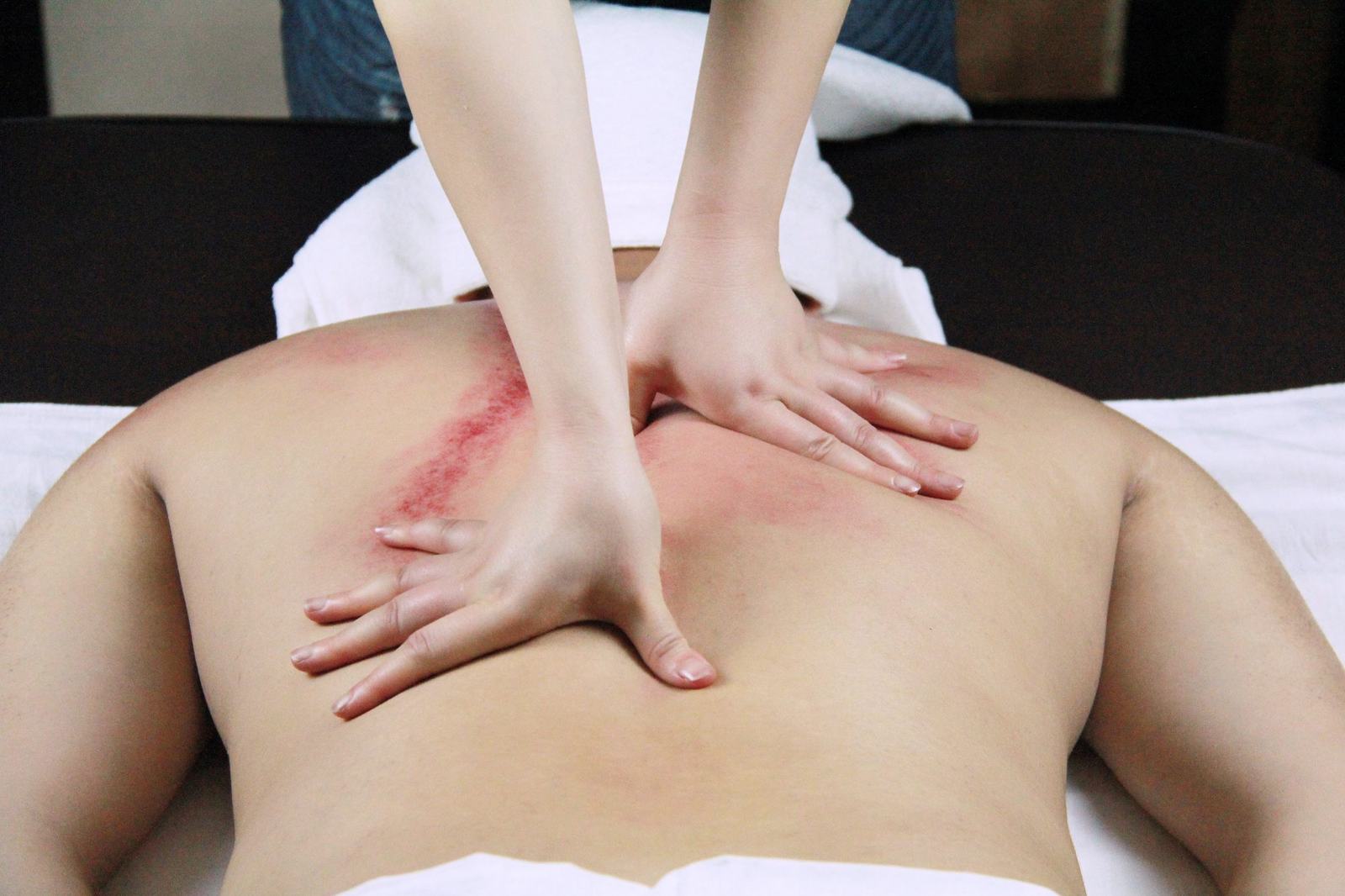
What it feels likeFirm hands. Pressure on a tight spot feels like a satisfying ache, and the area is noticeably looser afterwards. Alignment work may produce a light “click” — that is gas releasing within the joint, not a bone moving back into place, and it is not a measure of success. Nothing is forced, and the depth is adjusted to you — we will not ask you to endure pain.
- Hands-on work — pressing, kneading, rolling, deep stroking and trigger-point release — to unload tight muscle and restore range; anqiao is the classical name recorded in the Yellow Emperor’s Inner Canon. Joint alignment is then applied to the spine and limb joints through slow, low-amplitude, controlled mobilisation rather than high-velocity thrusts.
- Typically 20–40 minutes, often in the same visit as acupuncture. In the acute stage we work lightly; for chronic strain, more deeply.
- We assess your range of movement and tender points before and after. Please tell us about osteoporosis, a recent fracture, acute swelling after injury, thrombosis, cancer that has spread to bone, vertebral artery insufficiency, or pregnancy affecting the lower back and abdomen — alignment is not used in these cases.
- Commonly used for neck, shoulder and low-back pain, wry neck and acute lumbar strain, frozen shoulder, chronic strain, myofascial pain, restricted movement, and pain from minor spinal joint dysfunction.
Herbal Decoction Raw herbs prescribed to your pattern — rebuilding the terrain underneath What to expect+
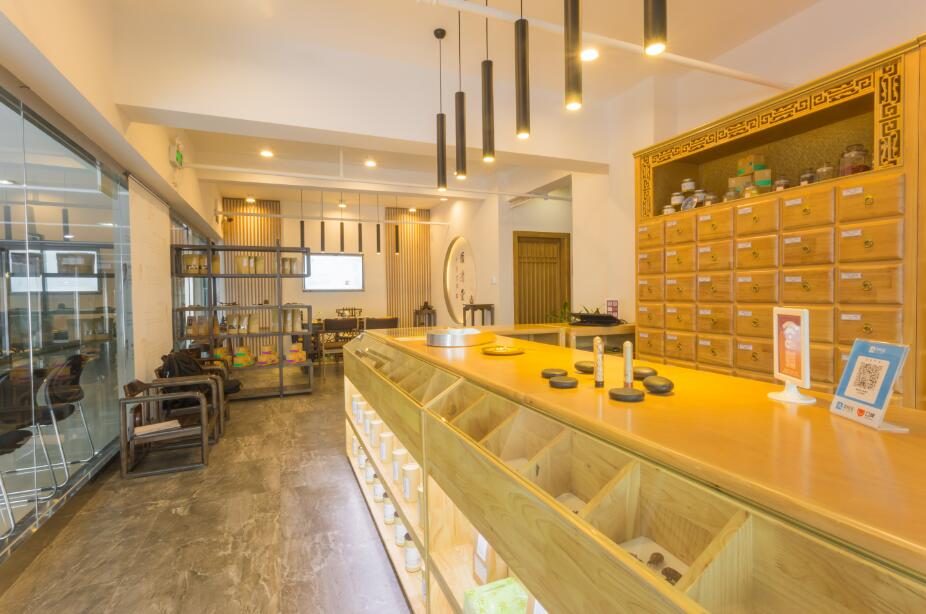
What it feels likeGenerally bitter; we adjust the formula to make it as drinkable as we can. There is usually no immediate sensation — changes tend to appear gradually over one to two weeks.
- Your physician writes a formula based on your pattern, usually a classical prescription modified to you. Herbs are dispensed by our pharmacy and can be decocted at home or prepared for you. Acupuncture addresses the current problem; the decoction works on the underlying terrain.
- Usually one dose a day, taken warm in two parts, morning and evening. Formulas are reviewed every one to two weeks; a course is counted in months.
- Herbs come from fixed suppliers with batch records. Please give us a full list of your medicines and supplements at the first visit, and tell us about any liver or kidney condition — some herbs interact with blood thinners, immunosuppressants and blood-pressure drugs.
- Commonly used for internal and constitutional problems: insomnia, fatigue, menstrual irregularity, chronic digestive discomfort, recovery after illness, and chronic conditions where the benefit of acupuncture needs consolidating.
Featured Case Notes
Anonymised accounts of real cases: how we assess, how we plan, and what we track at each review.
More painkillers, yet the headaches keep coming more often
Female, 42. Recurrent headaches for 6 years, worsening over the past 2 years. Prior care: neurology and pain clinics.
Attack frequency rose from once or twice a month to six to eight times, and painkillers were needed more than twelve days a month. The hard part of this case is not pain relief itself, but steadying the attack rhythm and easing the medication dependence together.
Read the case note →Wide awake the moment she lies down: calming the spirit in insomnia with anxiety
Female, 42. Symptoms for 1 year. Sedentary office work, late bedtimes.
It took over an hour to fall asleep, with two or three night wakings and daytime palpitations and trembling hands. The order of care: calm the spirit first, then regulate the organs, and only then discuss reducing medication — whether to reduce is a decision that belongs to the prescribing physician.
Read the case note →Don’t see your condition? Ask if we can help →
Yi Lun Journal
Perspectives · clinical reflections · seasonal living
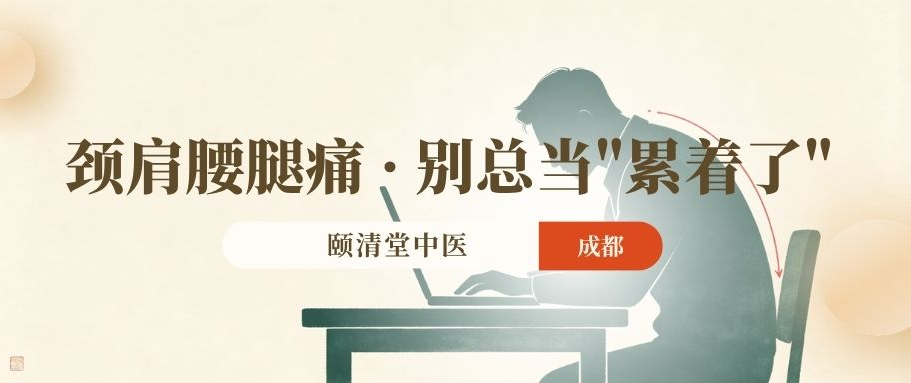
Neck, shoulder, back and leg pain: don't keep writing it off as "just being tired"
The same neck pain can have a completely different root cause. Brushing it off with "just being tired" often lets a small problem become a big one. How Chinese medicine understands pain, how it treats it, and how to protect yourself day to day.
Read the article →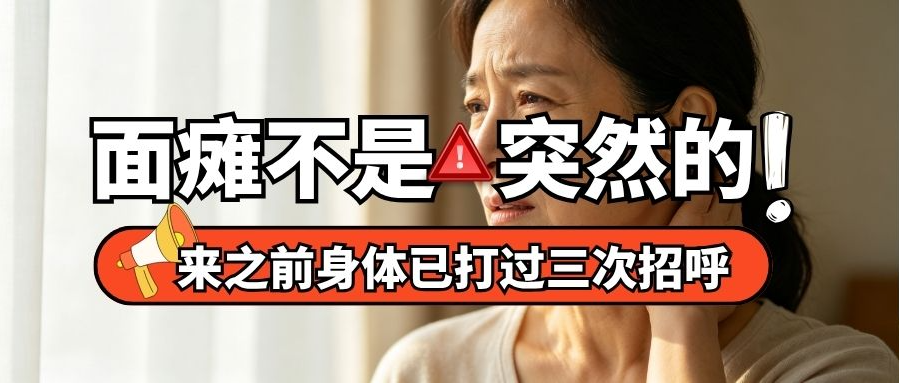
Facial palsy doesn't arrive out of nowhere: before it comes, the body has already knocked three times
A dull ache behind the ear, a strange sense of taste, difficulty closing one eye — before facial palsy arrives, there are three knocks at the door. Heed them, and most cases can be stopped before they break out.
Read the article →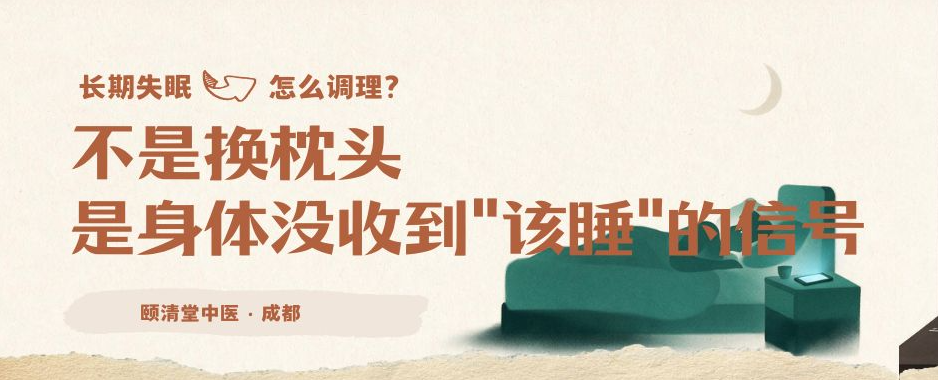
How to address long-term insomnia: first, give the body a signal that it is time to sleep
Insomnia is mostly not a matter of "sleeping badly." It is that the rhythm of life has gone off track and the body has not received the signal that it is time for sleep. Before you change pillows or buy products, spend one week on three things that cost nothing.
Read the article →Contact & Consultation
Leave your name and contact details and we will reply within working hours.
This form is not a medical service. For emergencies, go to the nearest emergency department.