
How to address long-term insomnia: first, give the body a signal that it is time to sleep
Insomnia is mostly not a matter of "sleeping badly." It is that the rhythm of life has gone off track and the body has not received the signal that it is time for sleep. Before you change pillows or buy products, spend one week on three things that cost nothing.

Insomnia is mostly not a problem of "sleeping badly." The rhythm of life has gone off track and the body has not received the signal that it is time for sleep. Before you change pillows or buy products, spend one week on three things that cost nothing. That will do more than anything you could buy.
Why is it that the more you fuss, the less you sleep?
I have seen too many people make themselves into half a sleep analyst in pursuit of a good night: several kinds of steam eye masks, melatonin from 3 mg up to 10 mg, pillows from latex to down to memory foam, a foot soak before bed, white noise, essential oils... and after the whole routine, they still lie awake until dawn.
Where is the problem? First, the body remembers sleepiness through rhythm, not through wishes. The biological clock does not fall asleep at the hour you decide on; it is when you do the same thing at the same time every day that it slowly remembers: ah, this hour, time to be sleepy. If you sleep at random, the body never receives the signal.
And the more you stare at sleep, the more anxious you become, and the less you sleep. For a spell I had to check a sleep-tracking app before bed: a score of 87 made me happy, 83 started to make me anxious. The more you check "how I slept today," the tenser the body becomes. It is a closed loop.
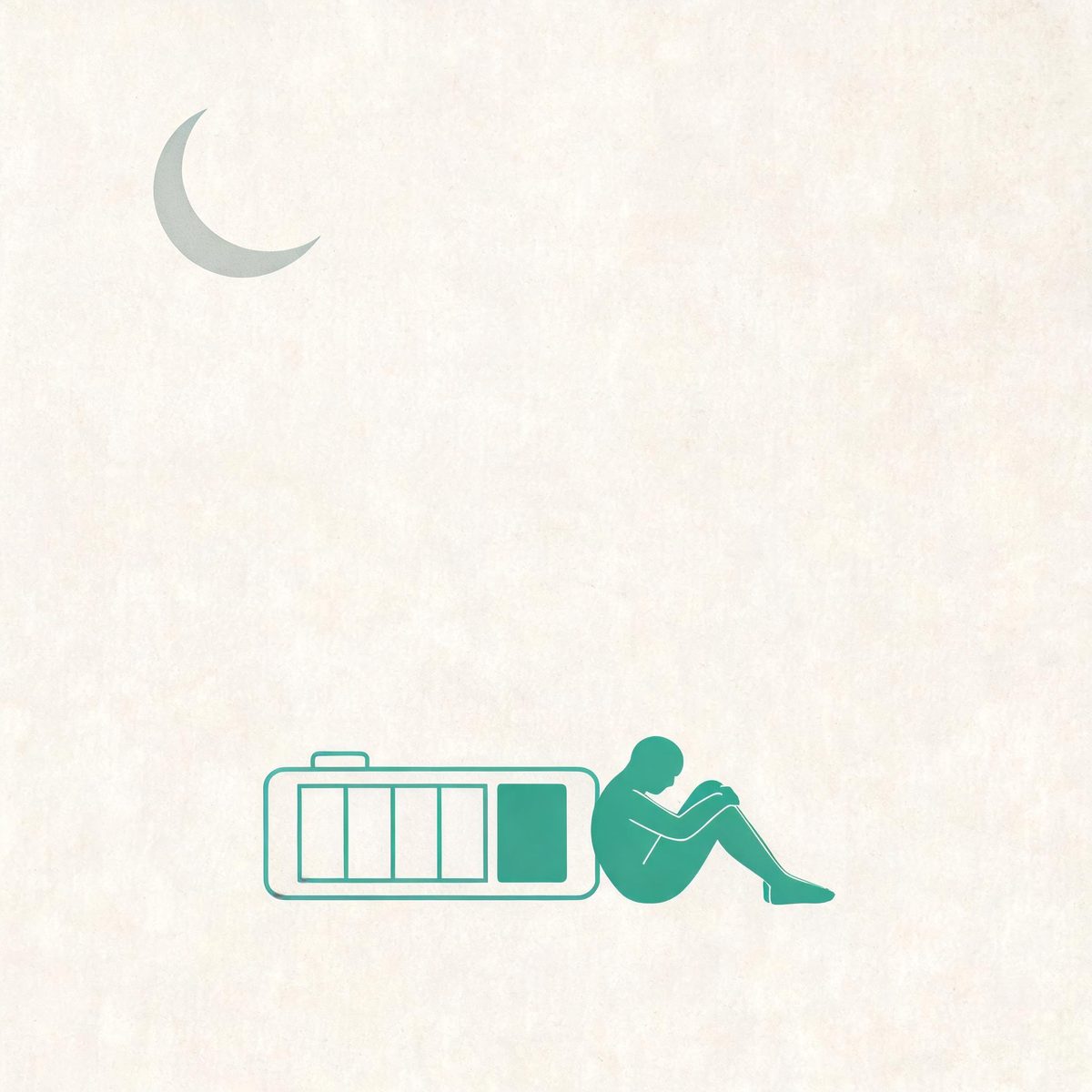
One real case
A patient came into the clinic: 32 years old, three years of insomnia. She said the sleep products she had tried could cover an entire bed.
I asked her: what time do you usually go to sleep? She said: it varies; when work is done I look at my phone for a while, and go to sleep when I am tired.
The answer was in that sentence. Her problem had never been "sleeping badly"; she had simply never given her body a fixed signal for falling asleep. Eleven tonight, one tomorrow, two the night after — the body never knew when it was supposed to clock off.
We did not rush to give her a plan. We first had her fix her daily rhythm. Two weeks later she said: so insomnia really can be called to a stop.
At Yiqingtang, no plan begins with "how do we fight the insomnia," because insomnia is never the enemy. It begins with "let us first look at the rhythm of your days." This is the approach I have come to believe in most over these years.
Three things that cost nothing
- Set an alarm for 10 p.m. Not to wake you, but to make you put the phone down. For one week straight, be in bed between 10:00 and 10:30. No shows, no short videos, no work. Lie down and empty out; the moment a thought surfaces, cut it off and stay empty.
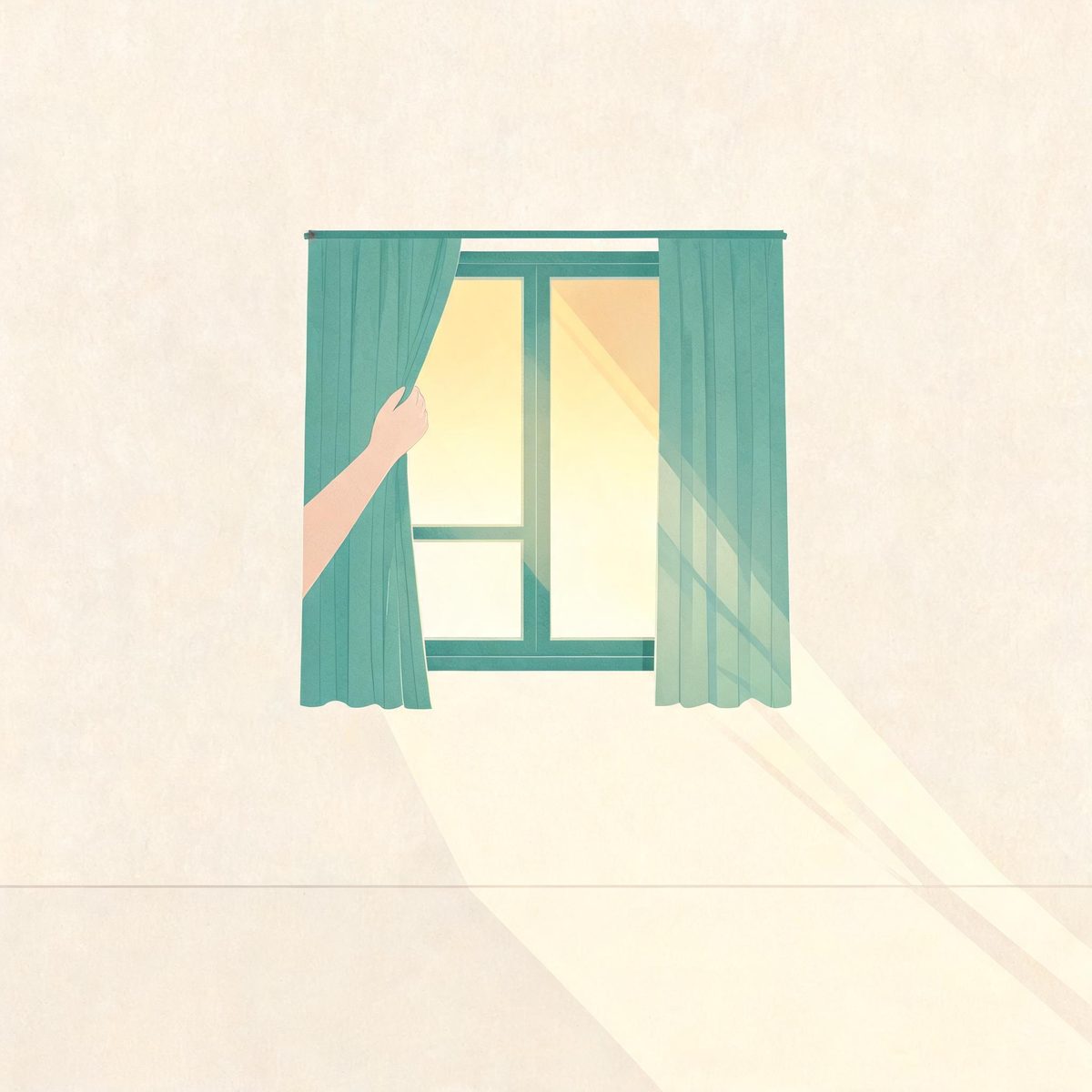
- First thing in the morning, open the curtains. The body needs light to judge that it is daytime. Otherwise it keeps assuming the sky is still dark, and the brain's sleepiness will not lift.
- Finish dinner before 7:30 p.m. Eating too much within three hours of bed puts the stomach on overtime and the brain cannot truly rest — meat and sweets above all. The old saying goes, "when the stomach is not at peace, sleep is not sound." That is the reasoning. Fail this one and the first two are wasted.
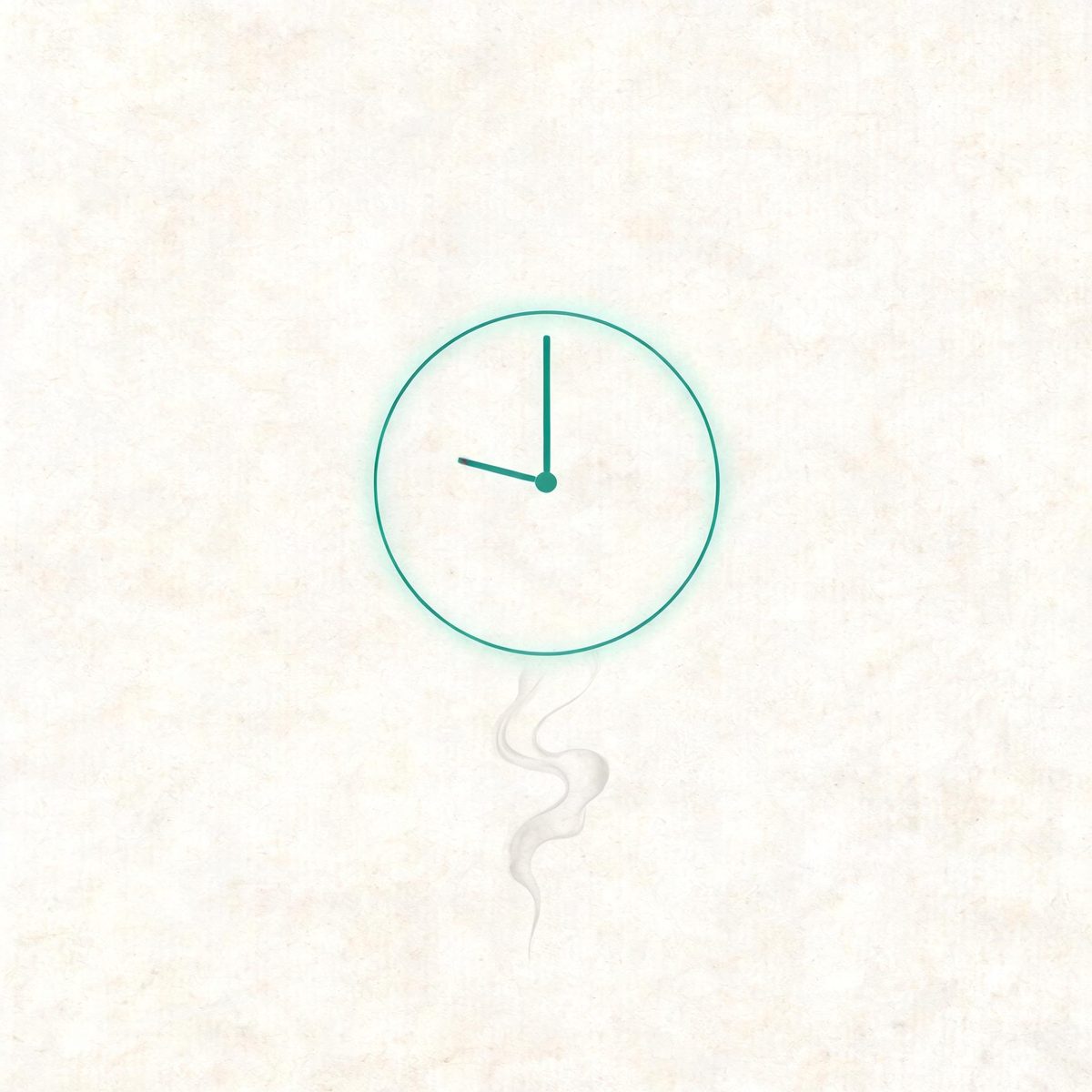
Most insomnia comes down to these three things not being done. Try them for a week. If a week later it still does not work, the body genuinely needs professional help — clinically, a constitutional assessment can locate exactly which link is stuck.
Stop tracking "whether I can fall asleep"
The more you stare at it, the less it comes. Move your attention from "can I fall asleep tonight" to "how was my day": did I eat? What was good enough to make me want more? Did I move? What was enjoyable? Do these well, and sleep will find its own way to you.
I did not believe any of this either, until I myself stopped looking at my phone at ten in the evening — and a week later I really was sleepy by half past ten.
Common questions
- Does melatonin help with insomnia?
- As short-term support, yes, but it does not solve the underlying problem. Melatonin pushes you toward sleepiness, but if your bedtime is a mess every day and the body has never established the signal that it is time to sleep, taking more is just forcing a switch. Fixing your rhythm matters more than anything.
- How long does it usually take to see results?
- The fastest feedback comes within a week — try the three things and see after a week whether you fall asleep earlier. If the rhythm is back on track and that is still not enough, it means another link is stuck (long-term fatigue, for instance, or constant emotional tension), and a professional assessment is needed to locate it. Generally there is steady improvement in 2-4 weeks, though individual differences are large.
- Can I make up for it by sleeping in the day?
- A nap can rescue an emergency, not the underlying problem. Sleep too much in the day and you are less sleepy at night, which throws the biological clock further out of order. A fixed wake-up time and more daylight during the day matter more than catch-up sleep.
- Is a drink before bed a reliable way to sleep?
- No. Alcohol makes you pass out, but the sleep is very light, you wake easily in the middle of the night, and you are more tired the next day. It addresses the appearance of falling asleep, not the quality of sleep.