
Scope of Care · B
Gastritis (acute & chronic)
Last updated: 2026-09-20 · Prepared by licensed TCM physicians · Updated 2026-09
Key Points
Gastritis is inflammation of the stomach lining, split into acute (sudden, often from irritants or infection) and chronic (recurrent, lingering) forms, with upper pain, fullness and nausea.
- Chronic gastritis is often tied to H. pylori infection, long-term dietary strain or drug irritation
- Acute gastritis can flare suddenly from alcohol, drugs, stress or food poisoning
- Most chronic gastritis stabilises with proper treatment and care, but atrophy and intestinal metaplasia need watching
- The WHO acupuncture indication list covers upper-abdominal pain and acute/chronic gastritis symptoms
First, what cannot wait
- Vomiting blood or coffee-ground material
- Black or tarry stools
- Progressive unexplained weight loss
- New upper pain after 40 with no endoscopy
- Severe constant pain with cold sweat or fainting
- Change in the character or site of pain
- Anaemia, fatigue or clearly reduced appetite
- Symptoms persist or worsen despite regular medication
Understanding the Condition
The stomach lining is the "protective cushion" on the inside of your stomach. When acid, alcohol, drugs or bacteria keep irritating it, the lining reddens, swells and congests — that is gastritis.
Acute is like a sudden fire — fast and obviously painful; chronic is like a slow smoulder — on and off, often just a vague soreness or discomfort with cold foods.
Why It Keeps Coming Back
Because the lining meets everything you eat every day: spice, alcohol, strong tea and coffee, NSAIDs (like ibuprofen), and H. pylori — all steadily drain its repair capacity.
Reaching for an antacid only briefly neutralises acid; it does not remove the source of repeated irritation, so recurrence is common.
Our Pattern-Based Approach
TCM places gastritis under "stomach duct pain" or "stomach pi", distinguishing cold, heat, deficiency and excess. Common: spleen–stomach cold-deficiency — dull pain eased by warmth; liver–stomach heat — burning pain, acid reflux, bitter taste; stomach yin deficiency — dull dry pain, hungry yet not wanting to eat.
Acupuncture harmonises the stomach and relieves pain: Zhongwan (CV12), Zusanli (ST36), Neiguan (PC6), Gongsun (SP4), plus dietary restraint and routine. We stress ruling out alarm signs and, when needed, endoscopy and H. pylori testing before any care.
Common patterns and treatment directions
| Pattern | Typical presentation | Approach |
|---|---|---|
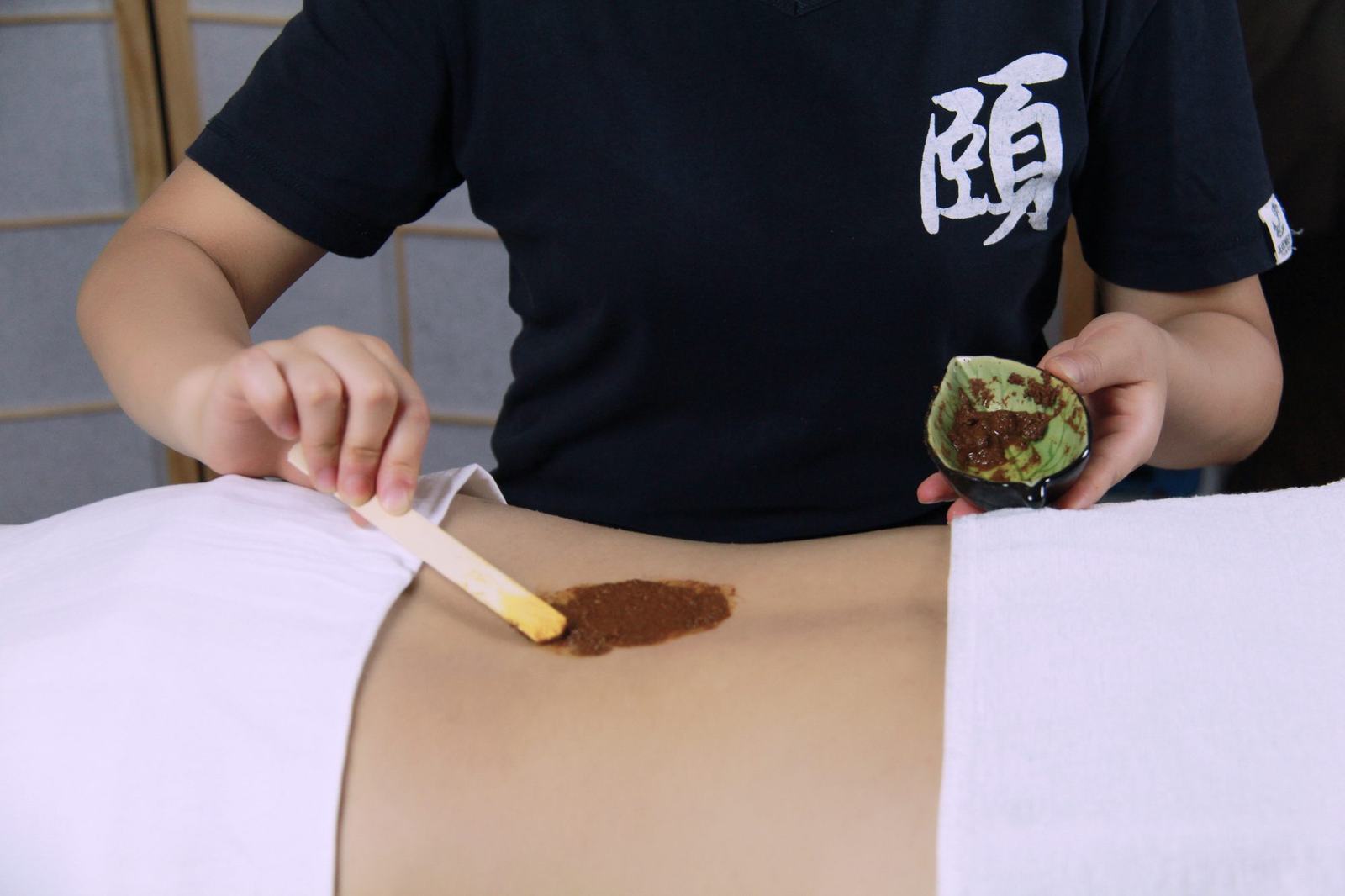
| Spleen–stomach cold deficiency | Dull pain eased by warmth and pressure, cold intolerance, clear fluids | Warm and strengthen: Zhongwan (CV12), Zusanli (ST36), moxa on Shenque (CV8), Pishu (BL20) |
| Liver–stomach heat | Burning pain, acid reflux, bitter taste, irritability | Course liver and clear stomach: Taichong (LR3), Neiguan (PC6), Liangqiu (ST34); avoid spice and alcohol |
| Stomach yin deficiency | Dry dull pain, thirsty, hungry yet not eating, dry stools | Nourish yin: Zusanli (ST36), Sanyinjiao (SP6), Weishu (BL21); avoid drying heat |
| Dietary stagnation | Distended abdomen, sour belching, loss of appetite | Relieve food and harmonise: Xiawan (CV10), Tianshu (ST25), Neiting (ST44) |
Patterns are determined in person. This list is for orientation only and is not a self-diagnosis tool.
The Evidence
- The 2003 WHO report lists "epigastric pain (peptic ulcer, acute and chronic gastritis, gastrospasm)" among conditions with proven acupuncture efficacy, supporting its use for gastritis-related upper pain.
— WHO, Acupuncture: Review and Analysis of Reports on Controlled Clinical Trials
What to expect: first visit to follow-up
- First visit · about 40 minutesHistory, pulse, tongue and pattern diagnosis, plus a check on endoscopy and H. pylori status; red flags mean referral to gastroenterology first.
- Plan discussion · same dayPattern, planned points and frequency, care tips, and when to run care alongside Western treatment.
- Weeks 1-4One to two sessions per week to ease pain and fullness; you apply diet and routine changes at home.
- Week 4-6 · first reviewSymptom change guides whether to continue, adjust points, or move to maintenance.
Course of care and follow-up
- Assessment usually runs in 4-6 week cycles
- H. pylori positive cases must complete and re-test eradication
- Chronic atrophic gastritis warrants periodic endoscopy per gastroenterology advice
- After stabilising, maintenance every 2-4 weeks
When to Seek Care
Before your visit:
- Eat regular, gentle meals; avoid very hot, spicy food, alcohol and drugs on an empty stomach
- If H. pylori positive, complete the prescribed eradication therapy
- Log triggers (food, drugs, mood) and avoid them
Consider an in-person consultation if:
- Upper pain with black stools, vomiting blood or weight loss
- New upper symptoms after 40 with no endoscopy
- Persistent stomach discomfort while on long-term NSAIDs
Supportive Care
- Eat at regular times and amounts; chew well
- Cut alcohol, strong tea, coffee, spice and cold foods
- Use stomach-irritating drugs cautiously; take with food or ask your doctor
- Manage stress; chronic tension slows mucosal healing
FAQ
Can chronic gastritis be fully "cured" by care alone?
Inflammation can usually be controlled and stabilised, but established atrophy or metaplasia needs long-term follow-up. Our goal is fewer relapses and less discomfort on top of standard care, not a promise of reversal.
Can acupuncture replace endoscopy or H. pylori eradication?
No. Acupuncture and herbs are supportive; they do not replace examination or needed eradication. With alarm signs or H. pylori positivity, complete the medical work-up first.
Want your situation assessed? Book a consultation.
Prepared by licensed TCM physicians · Updated 2026-09