
Is your face growing more asymmetrical, your jawline more blurred? Look at these two habits first
Most "crooked faces" and "blurred jawlines" are not a deficiency, and there is no need to rush into procedures. The position is wrong: long-term chewing on one side, sleeping on one side and pressing it, slowly pulls the face shape off centre.

"Look at my face — is one side bigger than the other?" A few days ago a 40-year-old female patient asked me, holding up a selfie. She had had an aesthetic treatment the month before; her face was a little firmer, but the sense of being crooked was still there.
I took one front-on photo and one profile photo of her face and drew a few parallel lines. Looking at it herself, she froze: "I really am this crooked."
In fact most "crooked faces" and "blurred jawlines" are not a deficiency, and there is no need to rush into procedures. It is that the position is wrong — long-term chewing on one side, sleeping on one side and pressing it, resting the chin on one hand — which pulls the face shape off centre little by little. The fundamental fix is to change the habits first, then add gentle care.
Why does the face quietly become crooked?
Many people assume facial asymmetry is inborn. In fact most of it is cultivated by habit:
- Long-term chewing on one side — one masseter tight and the other loose; the face shape is slowly pulled off centre.
- Always sleeping on the same side — long-term pressure on the face quietly deforms the contour.
- Resting the chin on one hand, habitual expressions — over time, the tension of the facial muscles becomes unbalanced.
There are quite a few contributing factors, but the good news is that all of this can be brought back. The premise is first realising that it is habit that is changing your face.
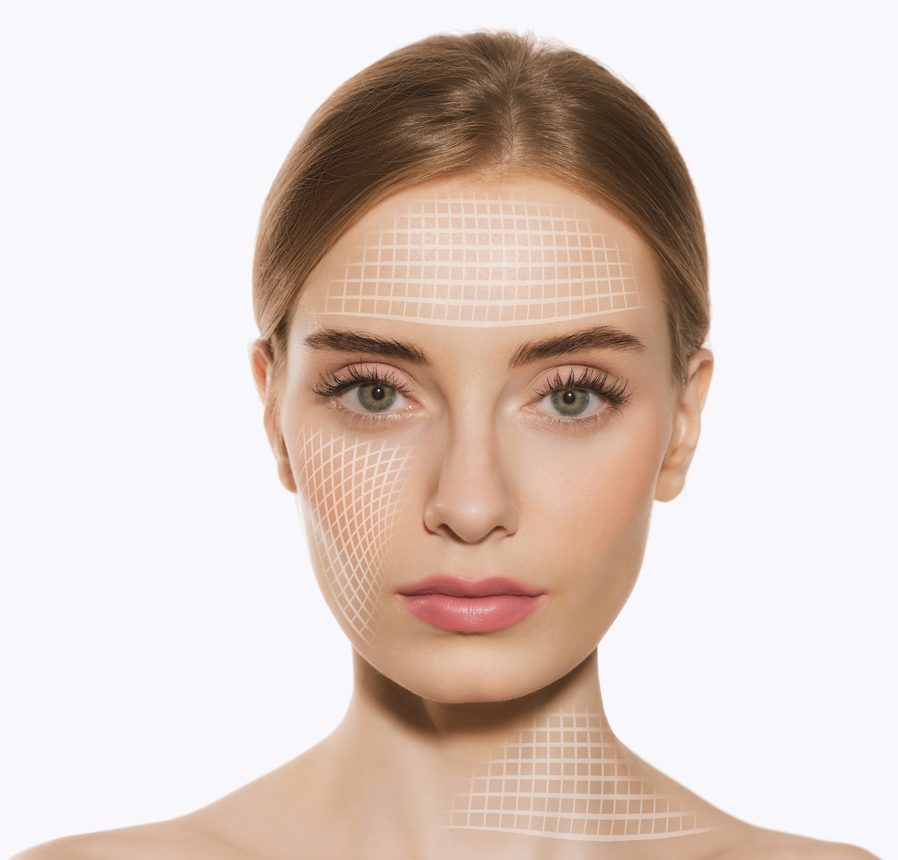
How to check for yourself: take photos and draw lines
How can you tell whether you have an uneven face — which side is bigger, which side is crooked? The method is simple: photograph your face, one front-on and one in profile, then use the pen tool built into your phone's photo album to draw a few parallel lines across the photos — brow, cheekbone, jawline. Where it is crooked, where it sags, which side's muscle is tight: one look after drawing and it is clear.
I drew them for three friends around me and their reactions were strikingly alike: "I really am this crooked."
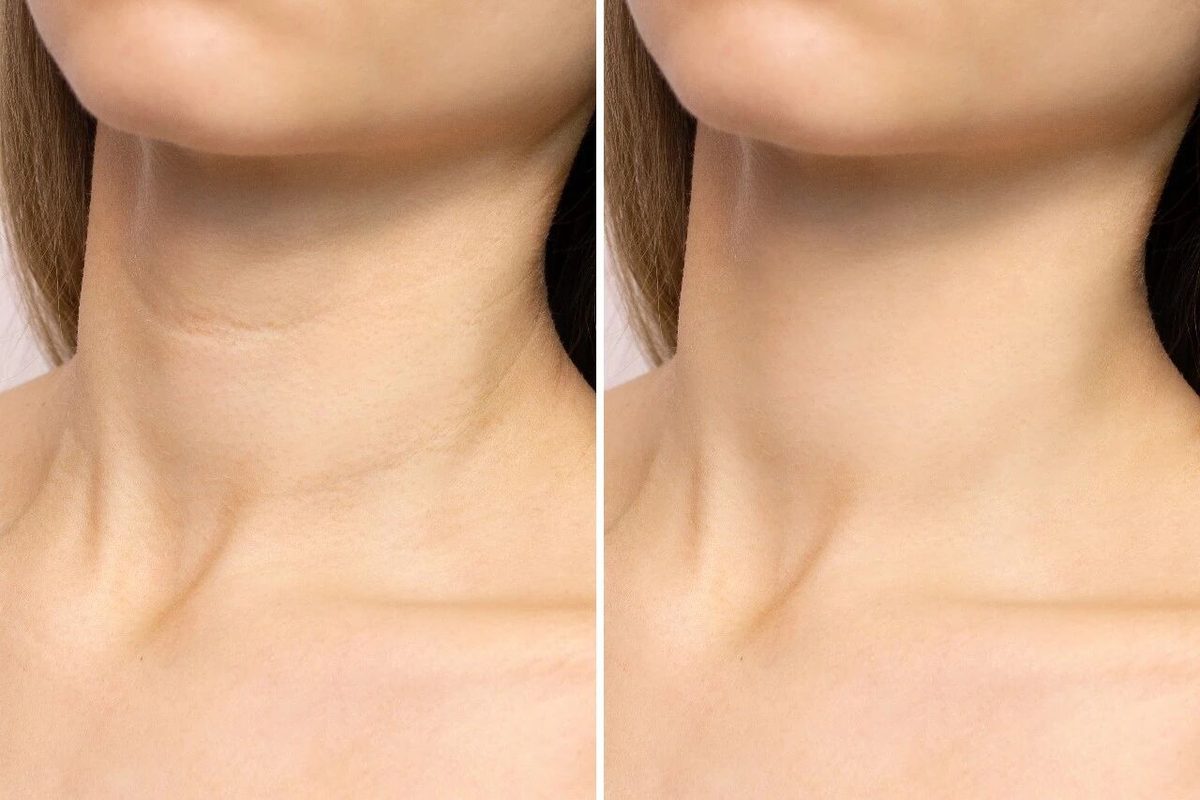
The approach to care: release first, then adjust, then set
Facial tuina (gentle facial soft-tissue therapy) is not as painful as it sounds. The gentle approach has three steps. The first is release: let the muscles that have been tight for years (the masseters, the neck) relax — once tight muscles let go, the contour has a chance to return to its natural state. The second is adjust: use gentle technique to help the muscles and soft tissues return slowly to a relaxed, even state. Japanese "small-face" facial contouring care follows the same logic — release first, then adjust, then set, so the muscles remember the new position. The third is set: adjust daily habits to match (chew on the other side, sleep on the other side, keep the chin off the hand) so the body remembers the new state.
The whole process leaves no redness or swelling, and you can go straight out afterwards. One patient looked in the mirror for ten minutes after her first session, and said: "This side has clearly lifted, and it looks natural."
Who is suitable, and who is not?
Suitable: people aged 35 to 55 with early signs of ageing, obvious facial asymmetry, who do not usually subject their face to much intervention. Not suitable: those with very obvious skin laxity (self-care has limited effect here — seek professional advice first), and those who have had facial surgery (likewise, seek professional advice first).
What else can you do at home?
Beyond chewing on the other side, sleeping on the other side and keeping the chin off the hand, you can spend three to five minutes a day on gentle release: use the pads of your fingers to press and knead in light circles around the masseters and the jawline, at a pressure that feels comfortable. It works better after washing the face with warm water. Consistency matters more than force.
Your face is a name card you face every day. Whether it looks good has less to do with how much money was spent than with whether you have understood that it is habit that is changing your face. Correcting the habits saves more than anything else.