
Scope of Care · A
Diarrhea
Last updated: 2026-09-20 · Prepared by licensed TCM physicians · Updated 2026-09
Key Points
Here we mean chronic diarrhoea: loose stools more often, persisting beyond 4 weeks — mostly functional or dietary, but infection, inflammatory bowel disease and malabsorption must be excluded.
- Acute diarrhoea is usually infectious and self-limiting; chronic (>4 weeks) needs a cause
- Common triggers: food intolerance, IBS, microbiome shifts and stress
- It can cause dehydration, electrolyte disturbance and poor nutrient absorption
- The WHO acupuncture indication list explicitly includes diarrhoea
First, what cannot wait
- Blood in stool or black stools
- Heavy watery diarrhoea with dehydration, dizziness, fatigue
- New diarrhoea after 40 with no colonoscopy
- High fever with severe abdominal pain
- Persistent vomiting, unable to keep fluids down
- Diarrhoea with weight loss, anaemia or low-grade fever
- Pus-mucus or waking with pain at night
- No improvement after more than two weeks of care
Understanding the Condition
Diarrhoea is the gut "running too fast and not holding water" — food and fluid leave before being absorbed, so stools are loose and frequent.
A bad meal causing a few days of loose stools is acute; if it recurs beyond a month, don't just call it "weak digestion" — find whether it is functional or organic.
Why It Keeps Coming Back
Because the gut's "water-reclaiming factory" is slowed by many factors: irritant or unclean food, lactose/gluten intolerance, dysbiosis, chronic tension — water and nutrients aren't retained.
Many rush to the toilet with anxiety, showing the brain–gut axis matters in diarrhoea too.
Our Pattern-Based Approach
TCM calls it "xie xie" (diarrhoea), weighing cold, heat, deficiency and damp. Common: spleen deficiency with dampness — loose stools, heaviness; cold-damp encumbering spleen — watery stools, cold pain; damp-heat pouring down — sticky foul stools, burning anus; liver–spleen disharmony — pain-then-diarrhoea relieved after passing.
Acupuncture strengthens the spleen, resolves damp and settles the intestine: Tianshu (ST25), Zusanli (ST36), Shangjuxu (ST37), Yinlingquan (SP9), plus diet and abdominal warmth. We promise no "one-session stop", only the change in frequency and stool form over weeks.
Common patterns and treatment directions
| Pattern | Typical presentation | Approach |
|---|---|---|
| Spleen deficiency with dampness | Loose recurrent stools, heaviness, fatigue | Strengthen spleen, resolve damp: Yinlingquan (SP9), Zusanli (ST36), Tianshu (ST25) |
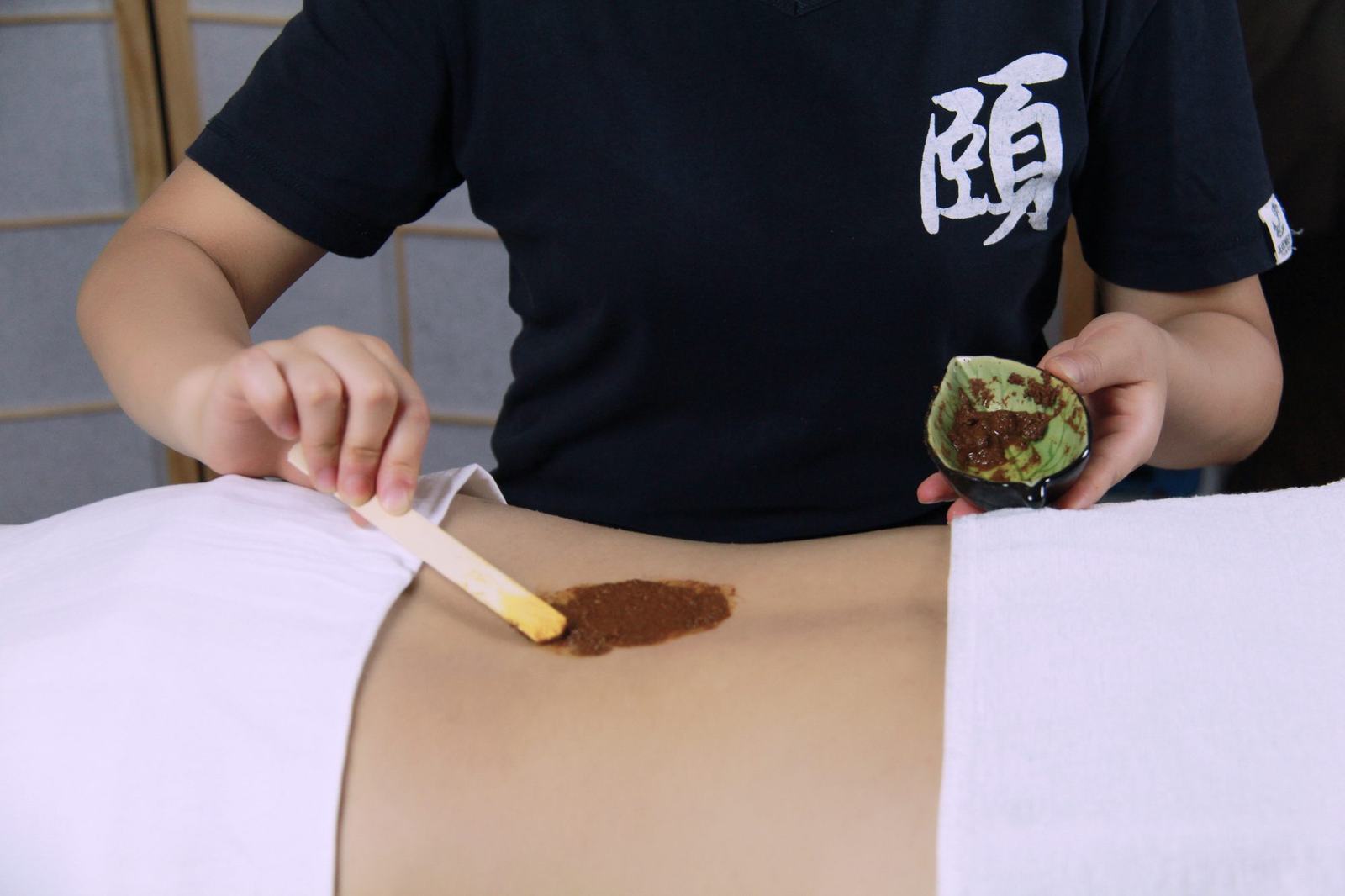
| Cold-damp encumbering spleen | Watery stools, cold abdominal pain, warmth-preferring | Dispel cold, resolve damp: Zhongwan (CV12), Tianshu (ST25), moxa Shenque (CV8) |
| Damp-heat pouring down | Sticky foul stools, burning anus, yellow greasy coat | Clear heat, drain damp: Shangjuxu (ST37), Yinlingquan (SP9), Quchi (LI11) |
| Liver–spleen disharmony | Pain then diarrhoea, relieved after passing, emotional | Check liver, support spleen: Taichong (LR3), Zusanli (ST36), Pishu (BL20) |
Patterns are determined in person. This list is for orientation only and is not a self-diagnosis tool.
The Evidence
- The 2003 WHO report explicitly lists diarrhoea among acupuncture indications (conditions with proven efficacy), commonly used for chronic diarrhoea.
— WHO, Acupuncture: Review and Analysis of Reports on Controlled Clinical Trials
What to expect: first visit to follow-up
- First visit · about 40 minutesHistory, pulse, tongue and pattern; we check duration, dehydration and any stool tests/colonoscopy; red flags mean referral for work-up first.
- Plan discussion · same dayPattern, planned points and frequency, rehydration and diet cautions, and when to involve gastroenterology.
- Weeks 1-4One to two sessions per week to ease pain and cut frequency; you keep the diary and rehydrate at home.
- Week 4-6 · first reviewSymptom change guides whether to continue, adjust points, or move to maintenance.
Course of care and follow-up
- Assessment usually runs in 4-6 week cycles
- After stabilising, maintenance every 2-4 weeks
- Repeat stool tests and colonoscopy per gastroenterology advice
- Coordinate with gastroenterology; do not stop prescribed drugs alone
When to Seek Care
Before your visit:
- Keep a food–symptom–stool diary to spot intolerances
- Rehydrate (light saline / ORS); avoid greasy and cold food
- Keep the abdomen warm and hands clean
Consider an in-person consultation if:
- Diarrhoea with blood, black stools or pus-mucus
- New after 40 or with weight loss, anaemia, fever
- Night-time diarrhoea waking you, or persisting beyond 4 weeks
Supportive Care
- During acute phase eat plain digestible food (rice water, congee)
- Avoid dairy, high fibre and known gas-producing foods
- Gradually restore probiotics and soluble fibre
- Regular routine and stress control to steady the gut–brain axis
FAQ
Can acupuncture stop my chronic diarrhoea?
We assess flare frequency and stool form over weeks, not a one-off stop. The goal is fewer relapses, better absorption and quality of life.
What tests does chronic diarrhoea need?
Clinicians may order stool tests/culture, blood and inflammatory markers, coeliac or intolerance screening, and colonoscopy if indicated. Rule out infection, IBD and malabsorption before care.
Want your situation assessed? Book a consultation.
Prepared by licensed TCM physicians · Updated 2026-09