
Scope of Care · B
Vertigo (Ménière’s disease)
Last updated: 2026-09-20 · Prepared by licensed TCM physicians · Updated 2026-09
Key Points
Ménière's disease is an inner-ear disorder with recurrent rotational vertigo lasting 20 minutes to several hours, accompanied by fluctuating hearing loss, tinnitus and aural fullness.
- Attacks bring violent spinning with eyes forced shut; between attacks people can feel entirely normal
- The leading explanation is pressure imbalance of inner-ear fluid (endolymphatic hydrops)
- Ménière's disease is a WHO-listed acupuncture indication
- Low-salt diet and regular routine are the foundation of management in international guidelines
First, what cannot wait
- Vertigo with severe headache, double vision, slurred speech or one-sided weakness — suspect a central cause; emergency immediately
- Vertigo with loss of consciousness or seizures
- Sudden hearing loss or deafness in one ear — within 24 hours (the treatment window for sudden deafness is very short)
- Vertigo persisting beyond 24 hours without relief
- With high fever or stiff neck
- Attacks causing repeated falls or injuries
Understanding the Condition
The vestibular system and cochlea float together in inner-ear fluid — a precision instrument carrying both a spirit level and a speaker. When fluid pressure goes wrong, the instrument false-alarms: standing perfectly still, the brain receives "the world is spinning" — violent vertigo, cold sweat, nausea, collapse onto the floor until it passes.
Three companions travel together: vertigo, tinnitus and fluctuating hearing. With recurrent attacks comes the most wearing companion of all — fear of the next attack, which keeps many people from going out alone or driving.
Why It Keeps Coming Back
Because attacks cannot be predicted, and each one is an experience of the body losing control. The spinning itself passes within hours, but the fear stays — and anxiety and recurrence feed each other in vertigo patients.
Trigger management can meaningfully reduce frequency: high salt, caffeine, alcohol, sleep loss and mental strain are all recognised modifiable factors — exactly where lifestyle work and TCM "preventive care" meet.
Our Pattern-Based Approach
TCM reads vertigo through the classic line "without phlegm there is no vertigo; without deficiency there is no vertigo": violent spinning with a heavy wrapped head, chest oppression and vomiting points to phlegm-turbidity clouding above; dizziness worse on exertion with fatigue to qi-blood deficiency; rage-triggered attacks with red face and bitter taste to liver yang rising; cicada-like tinnitus with sore lower back to kidney essence depletion.
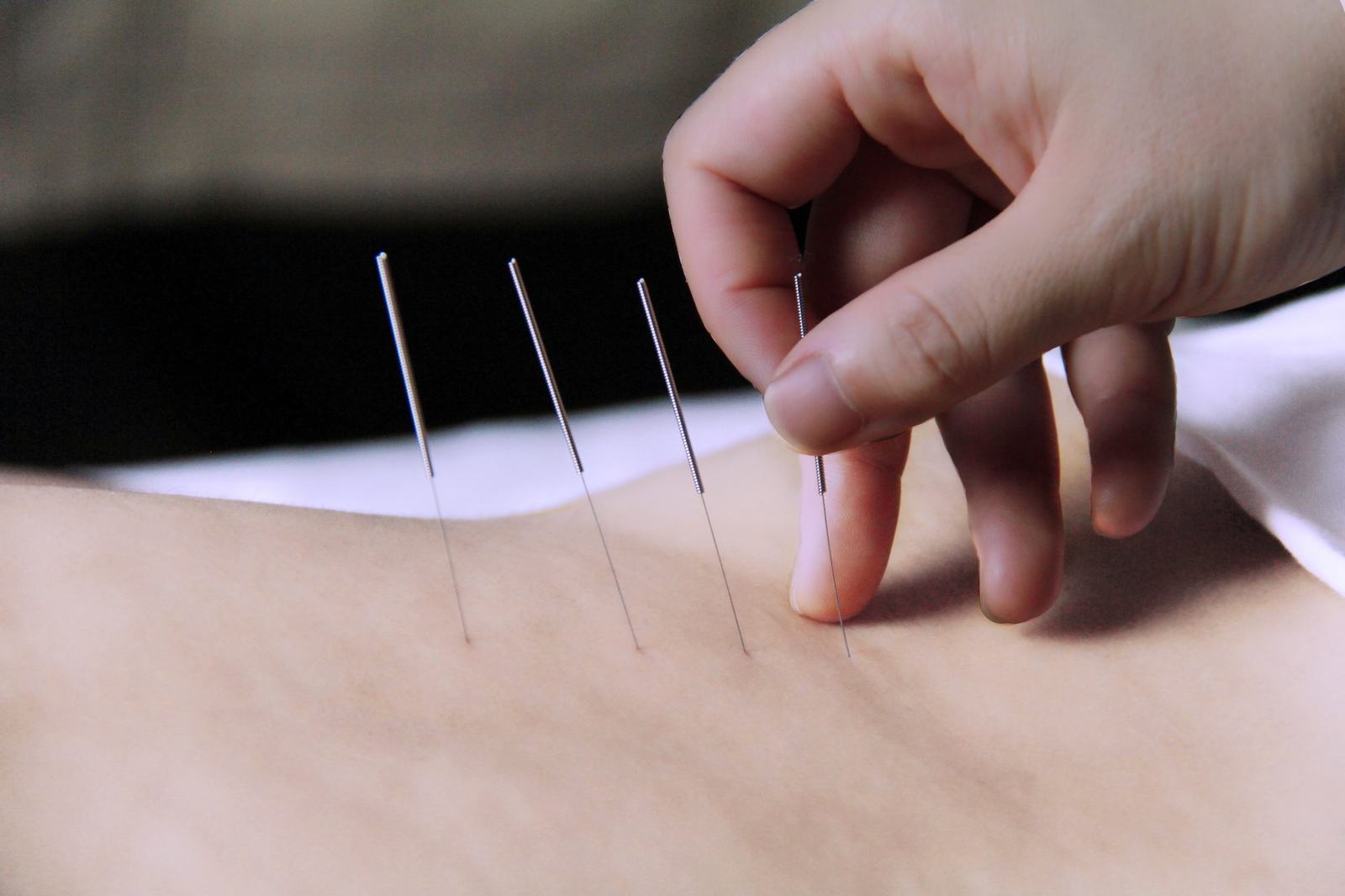
During attacks we needle Neiguan (PC6), Fengchi (GB20) and Baihui (GV20) to settle the spin; between attacks, Fenglong (ST40), Taichong (LR3), Taixi (KI3) and Zusanli (ST36) adjust constitution by pattern, with auricular seeds and a concrete low-salt plan. Our aim: fewer attacks, shorter attacks, calmer fear — co-managed with ENT.
Common patterns and treatment directions
| Pattern | Typical presentation | Approach |
|---|---|---|
| Phlegm-turbidity clouding above | Violent spinning, heavy wrapped head, chest oppression with nausea, vomiting of phlegm, greasy coating | Transform phlegm and settle the spin: Fenglong (ST40), Zhongwan (CV12), Neiguan (PC6), Baihui (GV20), with a low-salt light diet |
| Liver yang rising | Attacks provoked by anger, red face and bitter taste, rushing tinnitus, distending headache | Pacify liver and subdue yang: Taichong (LR3), Fengchi (GB20), Xiaxi (GB43), Baihui (GV20), with emotional support |
| Qi and blood deficiency | Dizziness worsened by movement, fatigue and short breath, pale complexion, worse after exertion | Tonify qi and blood: Zusanli (ST36), Qihai (CV6), Sanyinjiao (SP6), Baihui (GV20) — gentle with moxibustion |
| Kidney essence depletion | Long-standing vertigo, faint cicada-like tinnitus, gradual hearing decline, sore lower back and knees | Replenish essence: Taixi (KI3), Sanyinjiao (SP6), Shenshu (BL23), Tinggong (SI19) — slow needling with longer retention |
Patterns are determined in person. This list is for orientation only and is not a self-diagnosis tool.
The Evidence
- The WHO indication list for acupuncture includes Ménière's disease.
— WHO, Acupuncture: Review and Analysis of Reports on Controlled Clinical Trials - Clinical studies of acupuncture for vertigo are mostly small trials suggesting possible reduction of attack frequency and accompanying symptoms; high-quality evidence remains limited — we maintain joint follow-up of hearing with ENT.
— Overall evidence from small clinical trials; limited certainty
What to expect: first visit to follow-up
- First visit · about 40 minutesBring your audiology results and ENT diagnosis. We screen to distinguish peripheral from central vertigo, take pulse and tongue, and establish the pattern; any first attack goes for diagnosis first.
- Plan discussion · same dayWe explain the pattern, points, and the two-track approach (during and between attacks), plus a concrete low-salt list; hearing follow-up stays with ENT.
- Weeks 1-4One to two sessions weekly focused on inter-attack care; you keep the attack diary and follow the salt and sleep plan strictly.
- Week 4-8 · first reviewDiary data on frequency and severity guides adjustment; steady progress moves toward maintenance, and any hearing change returns to ENT promptly.
Course of care and follow-up
- A 4-8 week assessment cycle, checked against the attack diary
- Once attacks are stably reduced, maintenance every 2-4 weeks
- Hearing and ear status remain under regular ENT review — we never replace audiological testing
- Patterns shift with season and state; re-assess yearly or when symptoms change
When to Seek Care
Before your visit:
- At attack onset, sit or lie down immediately, keep the head still, avoid falls
- Low-salt diet (under 5 g per day); limit caffeine and alcohol
- Keep an attack diary: timing, duration, triggers (salt, late nights, stress)
Consider an in-person consultation if:
- First-ever vertigo attack — see ENT or neurology for diagnosis first
- Progressive hearing loss or sudden deafness in one ear — within 24 hours
- Increasing attack frequency affecting mobility and work
Supportive Care
- Regular routine; avoid late nights and exhaustion — fatigue is a common trigger
- Vestibular rehabilitation exercises between attacks, progressed step by step under guidance
- Emotions: fear of attacks itself sensitises the vestibular system — address it directly
- Stay hydrated; avoid long head-down postures and rapid head turns
FAQ
Can acupuncture cure Ménière's disease?
Ménière's is a chronic condition and "cure" is not a realistic goal. The realistic goals: fewer attacks, shorter attacks, less tinnitus and fullness — and easing that most wearing fear of the next attack. Hearing changes need ongoing ENT monitoring.
How low is "low salt", exactly?
Generally under 5 grams of salt per day — including the hidden salt in soy sauce, pickles and takeaway. We give you a concrete, workable food list, not just the instruction "eat less salty".
Want your situation assessed? Book a consultation.
Prepared by licensed TCM physicians · Updated 2026-09
Related case note Years of the room spinning: pattern differentiation and holding the formula in Meniere's disease Read the case note →