Scope of Care · B
Post-stroke sequelae
Last updated: 2026-09-20 · Prepared by licensed TCM physicians · Updated 2026-09
Key Points
Post-stroke sequelae are the functional deficits that remain after the acute phase — hemiparesis, slurred speech, swallowing difficulty, poor balance. The prime rehabilitation window is usually within six months of onset.
- Rehabilitation is a team effort: neurology, rehabilitation medicine, acupuncture and tuina each play a role
- The WHO lists paresis following stroke as an acupuncture indication
- Acupuncture is commonly used to ease spasticity, support sensorimotor recovery and relieve shoulder pain
- Secondary prevention medication (antiplatelets, blood pressure, statins) must never be stopped
First, what cannot wait
- Sudden worsening of speech, facial droop or one-sided weakness — risk of recurrent stroke; emergency immediately
- Sudden severe headache, vomiting or altered consciousness
- Sudden chest pain or breathlessness (pulmonary embolism)
- Worsening choking with drinks or recurrent fever — aspiration pneumonia risk
- Unilateral calf pain and swelling (deep vein thrombosis)
- Persistent low mood, insomnia, refusal to train — post-stroke depression needs assessment
- Markedly worsening spasticity or new joint contractures
Understanding the Condition
After a stroke, some brain tissue is permanently lost, but surrounding pathways can re-route with repeated training — the physiological basis of rehabilitation. Common sequelae: weakness or stiffness (spasticity) on one side, slurred or effortful speech, choking when swallowing, unsteady gait, painful subluxed shoulder.
Recovery is not linear: the first 3-6 months progress fastest, then slow but do not stop. Where many people stall is not "too little exercise" but spasticity patterns, pain and mood blocking the path of good training.
Why It Keeps Coming Back
Because the rehabilitation window is time-sensitive, and home practice often "trains strength while ignoring pattern" — entrenching wrong movement patterns. Non-drug intervention helps by easing spasticity and restoring correct sensory input, making room for functional training.
The other real risk is loss of confidence: fear of falling, choking or being watched shrinks a patient's world, and a shrinking world slows recovery.
Our Pattern-Based Approach
TCM treats post-stroke sequelae under "wind-stroke, residual stage", with deficiency at the root and excess as the branch: qi deficiency with blood stasis — weak numb soft limbs, fatigue and short breath — is the most common; wind-phlegm in the channels brings tight heavy limbs; liver-kidney yin deficiency brings rigidity, sore lower back and dizziness.
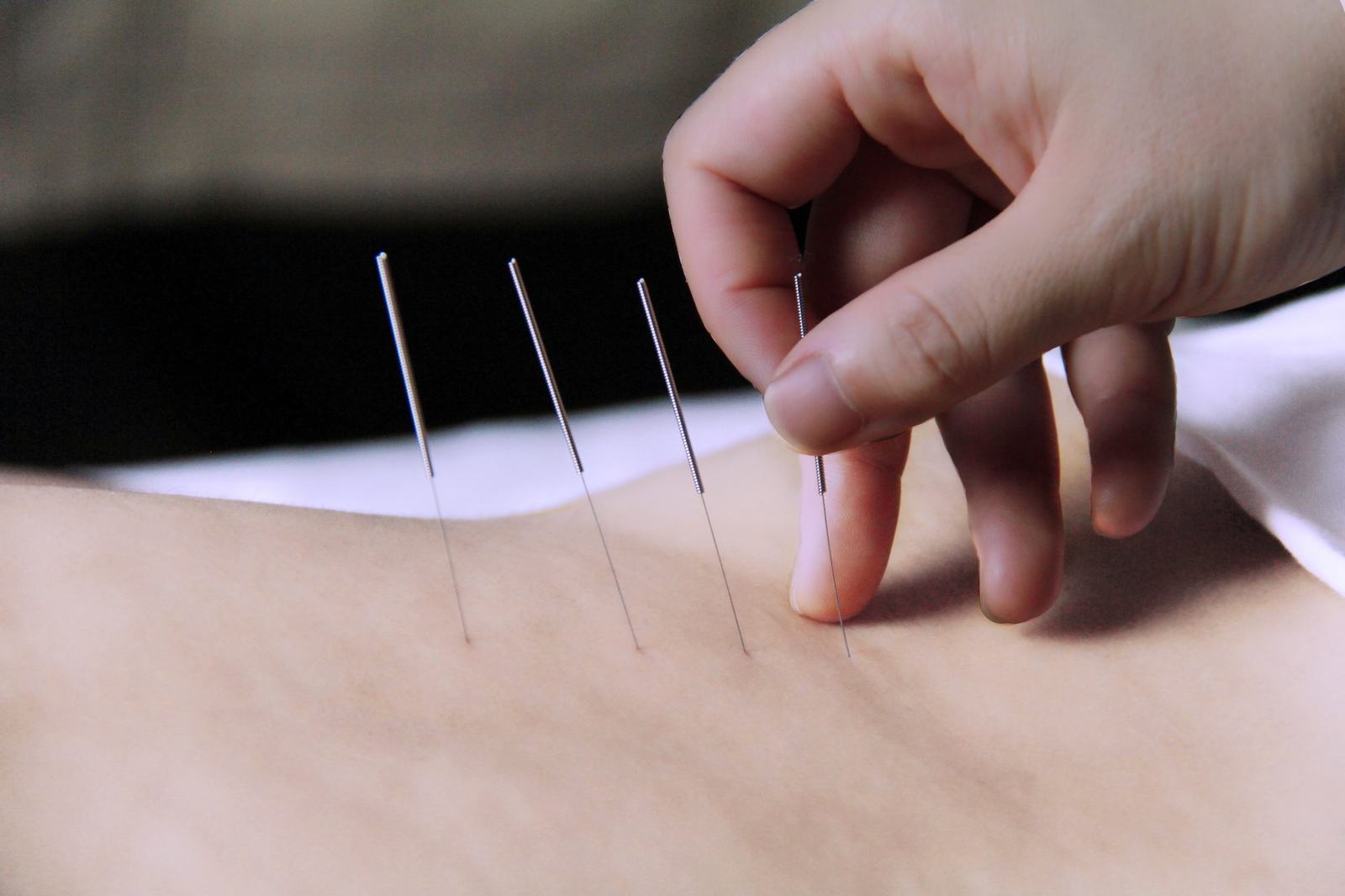
Acupuncture follows "awaken the brain and unblock the collaterals": upper limb — Jianyu (LI15), Quchi (LI11), Hegu (LI4); lower limb — Huantiao (GB30), Zusanli (ST36), Yanglingquan (GB34), Sanyinjiao (SP6); scalp motor area as needed. For marked spasticity we needle the antagonist side with slow gentle technique. Tuina and moxibustion are combined, playing an assist to rehabilitation training — never a replacement.
Common patterns and treatment directions
| Pattern | Typical presentation | Approach |
|---|---|---|
| Qi deficiency with blood stasis | Weak numb soft limbs on the affected side, fatigue and short breath, pale dusky complexion, pale tongue with stasis spots | Tonify qi and invigorate blood: Zusanli (ST36), Qihai (CV6), Xuehai (SP10), Hegu (LI4), with warming moxibustion |
| Wind-phlegm in the channels | Tight or heavy numb limbs, phlegm rattle in the throat, greasy white coating | Transform phlegm and expel wind: Fenglong (ST40), Yinlingquan (SP9), Quchi (LI11), Huantiao (GB30), with tuina release |
| Liver-kidney yin deficiency | Rigid spastic limbs, sore lower back and knees, dizziness and tinnitus, warm palms and soles | Nourish liver-kidney and soften sinews: Taixi (KI3), Sanyinjiao (SP6), Taichong (LR3), Yanglingquan (GB34) — slow gentle needling |
| Stasis obstructing the shoulder network | Painful limited shoulder on the affected side, sometimes subluxation, worse at night | Invigorate blood and relieve pain: Jianyu (LI15), Jianzhen (SI9), anterior shoulder point, Tiaokou (ST38), with joint mobilisation |
Patterns are determined in person. This list is for orientation only and is not a self-diagnosis tool.
The Evidence
- The WHO indication list for acupuncture includes paresis following stroke.
— WHO, Acupuncture: Review and Analysis of Reports on Controlled Clinical Trials - A Cochrane review of acupuncture for stroke rehabilitation concluded that although many trials exist, methodological quality varies and the evidence cannot yet confirm a definite benefit; acupuncture may serve as a component of a rehabilitation programme, used alongside standard rehab.
— Wu et al., Cochrane Database of Systematic Reviews (Acupuncture for stroke rehabilitation)
What to expect: first visit to follow-up
- First visit · about 40 minutesBring the discharge summary, imaging reports and the rehab team's programme. We assess limb tone, joint range and pain, establish the pattern, and confirm the secondary prevention medication list.
- Plan discussion · same dayClear division of roles: rehab runs the training, we manage spasticity, pain and sensory input; we list planned points, frequency, and the warning signs that require immediate referral.
- Weeks 1-4Two acupuncture-plus-tuina sessions weekly centred on easing spasticity and shoulder pain around the training schedule; family learns positioning alongside.
- Week 4-8 · first reviewProgress in tone, joint range and training capacity guides adjustment of points and technique; when progress is steady, intervals lengthen.
Course of care and follow-up
- A 4-8 week assessment cycle, aligned with the rehabilitation team's review milestones
- In the chronic phase, maintenance weekly or fortnightly
- Secondary prevention remains led by neurology: antiplatelet, antihypertensive and statin therapy is never stopped on our side
- Each visit also screens pain, sleep and mood — the three quiet saboteurs of stalled training
When to Seek Care
Before your visit:
- Follow the rehabilitation team's daily programme; acupuncture and tuina are complements
- Take secondary prevention medication on time; never self-adjust
- Track changes: how high the arm lifts, how far you walk, how often you choke
Consider an in-person consultation if:
- Sudden worsening of speech or one-sided weakness, severe headache — emergency; risk of recurrent stroke
- Worsening choking, frequent coughing with drinks, fever — risk of aspiration pneumonia
- Sudden increase in shoulder pain or swelling, or calf pain and swelling (deep vein thrombosis)
Supportive Care
- Keep affected limbs warm, but beware burns in areas of reduced sensation
- Family-assisted correct positioning to limit spasticity and shoulder subluxation
- Keep up the speech therapist's exercises for language and swallowing
- Mood: post-stroke depression is common — tell your doctor early rather than pushing through
FAQ
Can acupuncture replace rehabilitation training?
No — and it was never meant to. Training is the mainstay; acupuncture eases spasticity, improves sensory input and relieves pain so that training can be done correctly. Only in combination does either become efficient.
It has been a year since the stroke — is it still worthwhile?
The golden window is the first six months, but recovery does not end at one year. Spasticity, pain and shoulder problems remain treatable in the chronic phase; the goal simply shifts from regaining function to improving comfort and trainability.
Want your situation assessed? Book a consultation.
Prepared by licensed TCM physicians · Updated 2026-09