
Scope of Care · B
Bell’s palsy
Last updated: 2026-09-20 · Prepared by licensed TCM physicians · Updated 2026-09
Key Points
Bell's palsy is acute weakness or paralysis of the muscles on one side of the face: drooping mouth corner, incomplete eye closure, difficulty raising the brow. Most cases are self-limiting.
- Usually peaks within hours to a couple of days, most often noticed in the morning mirror
- About 70% of patients recover substantially within weeks to months
- The WHO lists facial palsy (within 3-6 months of onset) as an acupuncture indication
- Eye protection and guideline-based steroids form the core of acute care
First, what cannot wait
- Facial weakness with one-sided limb weakness, numbness or slurred speech — possible stroke; emergency immediately
- Facial palsy with severe headache or confusion
- Both eyes failing to close, with fever
- Blisters or severe pain in or around the ear (Ramsay Hunt syndrome — needs antivirals)
- Facial palsy with tinnitus, hearing loss or vertigo
- No sign of recovery four weeks after onset
- Involuntary facial twitching or "misdirected" movements (synkinesis)
Understanding the Condition
The facial nerve travels from the skull through a narrow bony canal. When it becomes inflamed and swollen there, signals fail to reach the muscles — and half the face stops obeying: the smile pulls to one side, blinking, frowning and puffing the cheek all falter; some people feel pain behind the ear a day or two beforehand.
Bell's palsy specifically refers to cases of unknown cause and typically affects one side only. It is a different animal from stroke-related facial weakness, which usually comes with limb symptoms — and telling them apart is the very first job.
Why It Keeps Coming Back
Two things matter most in facial palsy: not mistaking a stroke for Bell's palsy, and protecting the eye during recovery. One is about life, the other about sight.
Steroids work best when started within 72 hours of onset; the WHO explicitly marks acupuncture for the "early (within 3-6 months)" phase — a reminder that timing matters more than almost anything else in the plan.
Our Pattern-Based Approach
TCM describes facial palsy as "wry mouth and eye": deficient channels invaded by wind-cold or wind-heat, blocking the facial meridians. Onset behind ear pain with sore throat suggests wind-heat; onset after cold wind exposure suggests wind-cold.
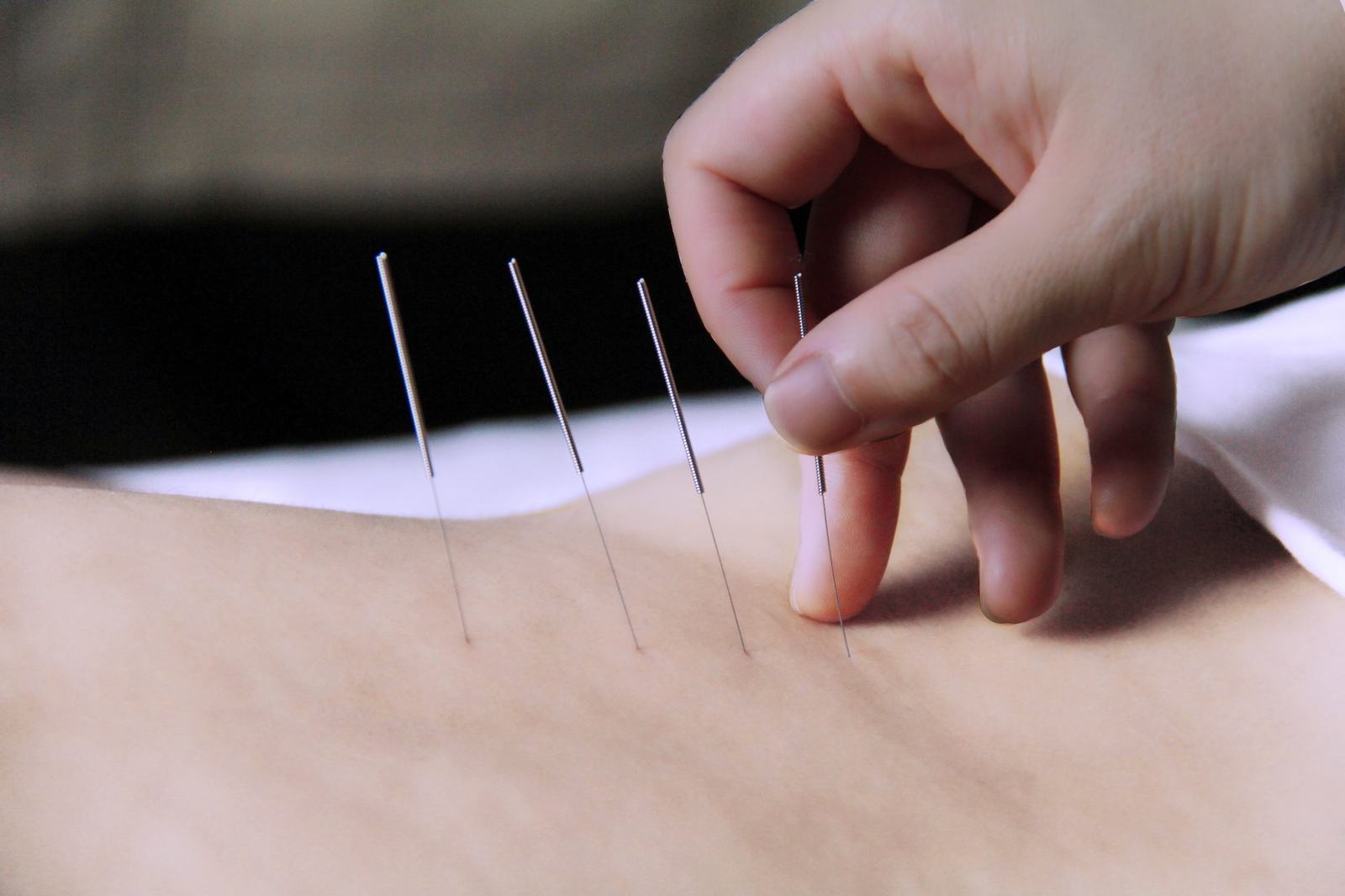
Treatment is staged. In the acute phase, few points and gentle stimulation — Fengchi (GB20), Yifeng (SJ17) to dispel wind. In the recovery phase, facial needling intensifies: Yangbai (GB14), Sibai (ST2), Dicang (ST4), Jiache (ST6), with penetrating technique and tuina, plus mirror-based facial exercises at home. Zusanli (ST36) nourishes qi and blood to support channel recovery.
Common patterns and treatment directions
| Pattern | Typical presentation | Approach |
|---|---|---|
| Wind-cold in the channels | Onset after cold wind exposure, tight cold feeling in the face, tenderness behind the ear, no fever or thirst | Expel wind-cold and warm the channels: Fengchi (GB20), Yifeng (SJ17), Dicang (ST4), Jiache (ST6), with warm moxibustion |
| Wind-heat in the channels | Pain behind the ear, sore throat or low fever, burning sensation in the face, dry mouth | Dispel wind-heat: Fengchi (GB20), Yifeng (SJ17), Hegu (LI4), Quchi (LI11) — shallow gentle needling |
| Wind-phlegm obstructing the channels | Numbness and swelling of the face, marked drooping, greasy white coating, fuller habitus | Expel wind and transform phlegm: Fenglong (ST40), Dicang-to-Jiache penetrating needling, Yangbai-to-Yuyao, with tuina |
| Qi and blood deficiency | Longer course, slow recovery, slack weak facial muscles, fatigue | Tonify qi and blood: Zusanli (ST36), Sanyinjiao (SP6), light superficial facial points, with functional exercises |
Patterns are determined in person. This list is for orientation only and is not a self-diagnosis tool.
The Evidence
- The WHO indication list includes facial palsy, specifically marked for the early phase (within 3-6 months of onset).
— WHO, Acupuncture: Review and Analysis of Reports on Controlled Clinical Trials - A Cochrane review of trials of acupuncture for Bell's palsy concluded that the included studies are of limited quality with uncertain conclusions; acupuncture may aid recovery but higher-quality evidence is needed.
— Chen et al., Cochrane Database of Systematic Reviews (Acupuncture for Bell's palsy)
What to expect: first visit to follow-up
- First visit · about 40 minutesThe first job is separating Bell's palsy from stroke. After the neurological screen, we take the history, pulse and tongue, stage the palsy, and give the eye-protection plan immediately.
- Plan discussion · same dayWe explain the stage, the acupuncture strategy (gentle in acute phase, penetrating in recovery), the relationship to steroids and antivirals, and the eye-care checklist.
- Weeks 1-2 · acute phaseTwo gentle sessions weekly centred on Yifeng and Fengchi, with eye care and facial warmth in place from day one.
- Weeks 2-12 · recovery phaseOne to two sessions weekly with intensified facial needling and mirror-based exercises; progress reviewed every four weeks, with neurology re-evaluation if recovery stalls.
Course of care and follow-up
- Recovery is assessed in 4-week milestones: brow-raising, eye closure and cheek-puffing compared over time
- Most people plateau within three months; persistent weakness beyond that warrants specialist re-evaluation
- If steroids or antivirals were started, do not interrupt them for acupuncture — the two run in parallel
- Report any synkinesis or twitching during recovery so technique can be adjusted promptly
When to Seek Care
Before your visit:
- Seek care within 72 hours of onset — the golden window for steroids
- Lubricating eye drops by day; taping or an eye shield at night
- Practice brow-raising, eye closure and cheek-puffing in the mirror, a few minutes several times a day
Consider an in-person consultation if:
- Facial weakness with one-sided limb weakness or slurred speech — emergency; possible stroke
- Blisters or severe pain in the ear (possible Ramsay Hunt syndrome, needs antivirals)
- No sign of recovery after 4 weeks, or involuntary facial twitching appears
Supportive Care
- Eyes first: incomplete blinking is the main cause of corneal damage — carry lubricating drops
- Keep the face warm: no direct cold wind; mask and scarf outdoors
- Warm compresses over the face and behind the ear to relax tight muscles
- Steady routine and emotions — anxiety will not speed recovery, only magnify it
FAQ
Will facial palsy always recover completely?
About seven in ten patients recover substantially within weeks to months, but outcomes vary; a minority are left with mild asymmetry or synkinesis. What we can do is act early, treat properly, protect the eye rigorously — and be honest about the recovery curve rather than guarantee it.
When is the best time to start acupuncture?
It can begin in the acute phase (first week), with few points and gentle stimulation; the mainstay of treatment falls in the first 1-3 months — consistent with the WHO's "within 3-6 months" note. Starting after half a year leaves much less room to work with.
Want your situation assessed? Book a consultation.
Prepared by licensed TCM physicians · Updated 2026-09
Related case note Facial paralysis: day 3 and month 3 call for different approaches Read the case note →