
Scope of Care · B
Tinnitus
Last updated: 2026-09-20 · Prepared by licensed TCM physicians · Updated 2026-09
Key Points
Tinnitus is the perception of sound — ringing, buzzing, hissing or pulsing — with no external source, in the ears or inside the head.
- About 10-15% of adults have persistent tinnitus; most learn to live with it
- Sudden one-sided tinnitus with hearing loss is a race-against-the-clock signal
- Poor sleep, stress and prolonged headphone use are common aggravators
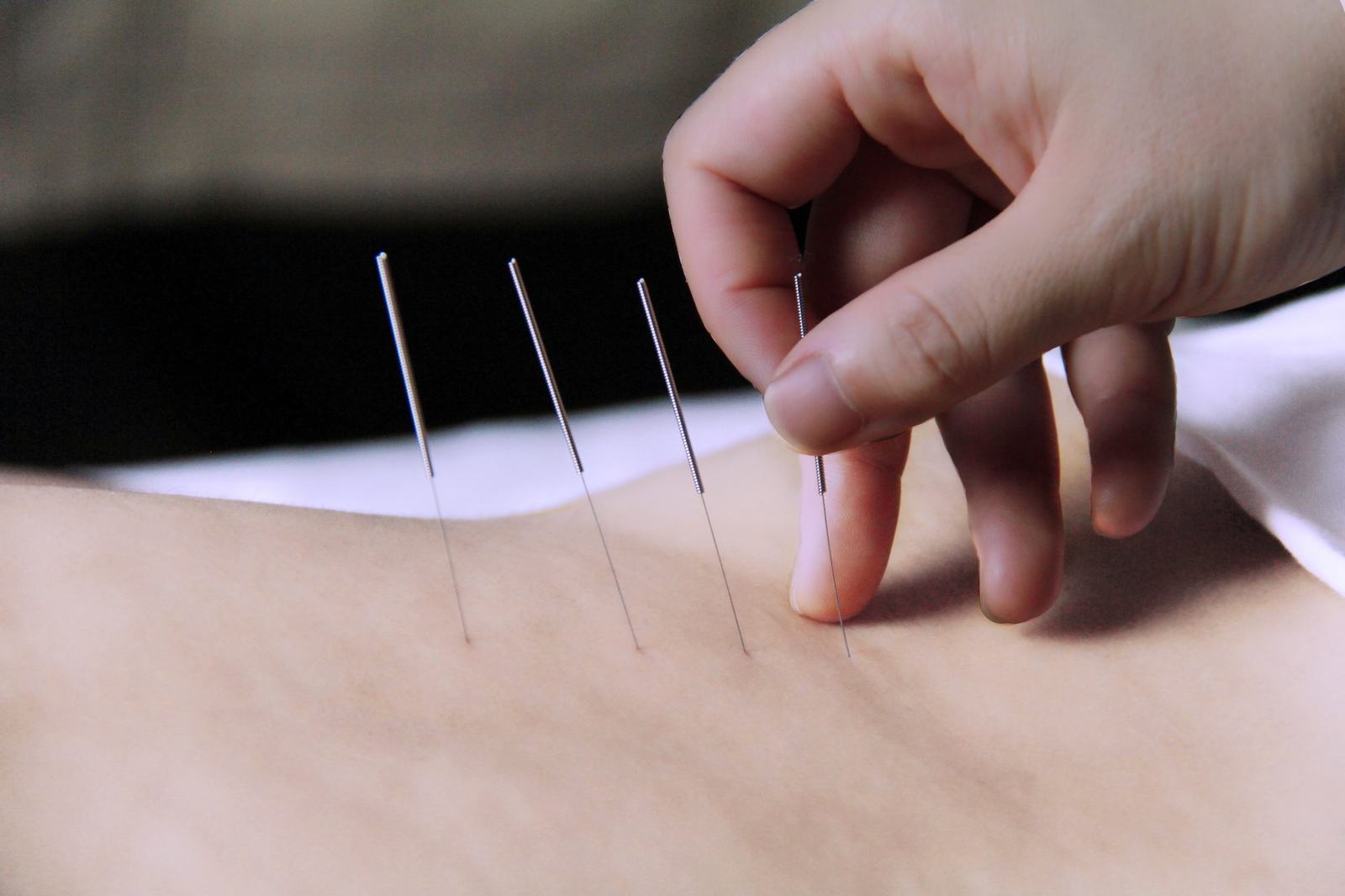
- Acupuncture is often used to ease loudness perception and improve sleep and mood
First, what cannot wait
- Sudden one-sided hearing loss or deafness (with or without tinnitus) — within 24 hours; the window for sudden deafness is extremely short
- Tinnitus with vertigo, severe headache or neurological signs — emergency immediately
- Pulsatile tinnitus in time with the heartbeat — vascular causes need ruling out
- Persistent one-sided tinnitus — hearing tests to exclude nerve pathology
- New tinnitus after head injury
- Tinnitus with marked anxiety, low mood or insomnia beyond two weeks
Understanding the Condition
Tinnitus is not a "broken ear" — it is more like the brain's auditory system talking to itself: when signal from the hearing pathway weakens or scrambles, the brain fills the gap with invented sound. That is why tinnitus roars loudest in the quiet deep night — nothing external covers it.
Its real damage is usually not the sound itself but the chain reaction it sets off: cannot sleep → more irritated → more aware of the sound → even less sleep. Breaking the loop is more realistic than "eliminating the sound".
Why It Keeps Coming Back
Because tinnitus has no mute button. Hearing loss, ear disease, medications and neck problems can all be linked; emotion and sleep are the amplifiers. Those who fight hardest to "get rid of it" often grip it tighter.
Mainstream tinnitus care follows the same logic: tinnitus retraining, cognitive behavioural therapy, sound therapy — none promise the sound disappears; all aim to lower the brain's "importance rating" of it. Acupuncture enters the same battlefield on three lines at once: loudness, sleep and mood.
Our Pattern-Based Approach
TCM first asks: sudden or long-standing? Sudden, loud, wave-like or thunder-like sounds indicate excess — liver fire or phlegm-fire, with bitter taste, irritability and constipation. Gradual, faint, cicada-like sounds eased by pressure indicate deficiency — kidney essence depletion or qi-blood insufficiency, with sore back, fatigue and nocturia.
Points combine the ear region with distal pattern points: Tinggong (SI19), Tinghui (GB2), Yifeng (SJ17) locally; Taichong (LR3) and Xiaxi (GB43) for liver fire; Taixi (KI3) and Shenshu (BL23) for kidney deficiency. Excess patterns are drained, deficiency patterns needled gently with moxa; Shenmen (HT7) and Anmian are added for sleep. Neck-related tinnitus receives focused tuina.
Common patterns and treatment directions
| Pattern | Typical presentation | Approach |
|---|---|---|
| Liver fire flaming up | Sudden loud wave-like tinnitus, irritability, bitter taste, red face, poor sleep | Drain liver fire: Taichong (LR3), Xiaxi (GB43), Tinghui (GB2), Yifeng (SJ17), with emotional support |
| Phlegm-fire binding | Tinnitus with a stuffed muffled feeling, chest oppression, much phlegm, sticky mouth, greasy yellow coating | Clear heat and transform phlegm: Fenglong (ST40), Yinlingquan (SP9), Tinggong (SI19), Neiting (ST44) |
| Kidney essence depletion | Long-standing faint cicada-like tinnitus, worse at night, sore lower back, forgetfulness | Replenish essence: Taixi (KI3), Shenshu (BL23), Tinggong (SI19), Yifeng (SJ17) — gentle needling with moxa |
| Qi and blood deficiency | Tinnitus fluctuating with fatigue, pale complexion, short breath and low energy | Tonify qi and blood for the ears: Zusanli (ST36), Sanyinjiao (SP6), Baihui (GV20), Tinggong (SI19) |
| Neck network obstructed | Tinnitus with stiff aching neck and shoulders, changing with head rotation, common in desk workers | Release sinews: Tianzhu (BL10), Fengchi (GB20), cervical huatuojiaji, Houxi (SI3) — tuina-focused |
Patterns are determined in person. This list is for orientation only and is not a self-diagnosis tool.
The Evidence
- Clinical studies of acupuncture for tinnitus are mostly small trials with mixed results and cannot yet support firm conclusions; we position it as an adjunct for sleep, mood and tension-related neck problems, while hearing issues are assessed by ENT.
— Overall evidence from small clinical trials; limited certainty
What to expect: first visit to follow-up
- First visit · about 40 minutesSafety screening first: one side or both? Pulsatile? How is hearing? — ENT referral for audiometry where needed. Then history, pulse and tongue, pattern diagnosis, and a tinnitus diary template.
- Plan discussion · same dayWe explain the pattern, points and frequency; hearing assessment stays with ENT, while we take the loudness and sleep-mood lines.
- Weeks 1-4One to two sessions weekly alongside sleep and neck adjustments; you keep logging the tinnitus and sleep diary.
- Week 4-8 · first reviewDiary data on perceived loudness, sleep and irritation guides point adjustment or a shift to maintenance.
Course of care and follow-up
- A 4-8 week assessment cycle; the tinnitus diary is the only objective basis
- Once improved, maintenance every 2-4 weeks with growing self-management
- Hearing follow-up stays with ENT; we recommend routine yearly audiometry
- If the character changes (one-sided, pulsatile, sudden loudness jump), come back for re-evaluation at once
When to Seek Care
Before your visit:
- Keep a tinnitus diary: loudness, time of day, sleep and stress that day
- Use white noise or soft music as background at night to counter the "silence amplifier"
- Control headphone volume and time — follow the 60-60 rule (≤60% volume, ≤60 minutes)
Consider an in-person consultation if:
- Sudden one-sided tinnitus with hearing loss — within 24 hours, do not wait
- Pulsatile tinnitus (in time with the heartbeat) — vascular causes need ruling out
- Tinnitus with vertigo, ear fullness or one-sided symptoms
- Tinnitus badly disturbing sleep and mood beyond two weeks
Supportive Care
- Fixed sleep times: sleep is both the strongest amplifier and the strongest reliever of tinnitus
- Observe caffeine and alcohol individually — some are sensitive, some not
- Neck and shoulder release: tinnitus in long-hour desk workers is often muscle-linked
- Stop "listening for it": returning attention to the task at hand is itself part of treatment
FAQ
Can tinnitus be cured for good?
Most tinnitus cannot be "switched off", but the great majority of people can stop being ruled by it. Realistic goals: lower perceived loudness, restored sleep, attention back on life. Any claim of a complete tinnitus cure deserves suspicion.
How does acupuncture work for it?
We do not oversell mechanisms — only what is observable: by regulating nervous-system tension and improving sleep and neck-shoulder muscle status, many patients report reduced loudness perception and irritation. This is an adjunct role; hearing itself always belongs to ENT.
Want your situation assessed? Book a consultation.
Prepared by licensed TCM physicians · Updated 2026-09