
Scope of Care · C
Postherpetic neuralgia
Last updated: 2026-09-20 · Prepared by licensed TCM physicians · Updated 2026-09
Key Points
Postherpetic neuralgia is neuropathic pain persisting beyond three months after shingles (herpes zoster) rash healing, in the same skin area as the rash.
- Distinctive pain: burning, electric shocks, knife-like stabs, crawling sensations, and allodynia (pain from light touch)
- Risk rises with age; patients over 60 are most prone to chronicity
- Starting antivirals within 72 hours of rash onset significantly reduces PHN risk
- Acupuncture is used to ease pain and improve sleep — adjunctive, not a replacement
First, what cannot wait
- Rash near the eye, eye redness or blurred vision — ocular shingles can damage the cornea; seek care urgently
- Widely spreading rash, high fever or altered consciousness (in immunocompromised people)
- Pain persisting beyond one month or steadily worsening
- Marked weakness or numbness of a limb or one side — other neuropathies need excluding
- Pain requiring constant dose escalation
- Chronic pain with emotional collapse and insomnia
Understanding the Condition
When shingles heals, what the virus leaves behind is not only a scar but a burnt nerve. The rash is long gone; the pain remains on the same patch of skin: burning at night, clothing that cuts like a knife, electric jabs — pain in the nerve, not the skin.
Many assume "the rash is healed, so it should not hurt" — and so the pain is underestimated and endured for months or even years. Chronicisation of nerve pain fears nothing more than being left alone.
Why It Keeps Coming Back
Because the damaged nerve "misfires", and the longer it misfires the more entrenched it becomes: central sensitisation lets pain learn to exist on its own. Early active analgesia (medication-led) and neuromodulation (acupuncture may be included) aim to interrupt the process before it sets.
Another common error: "enduring pain is being strong." Long-term pain wrecks sleep and mood, and broken sleep and mood amplify pain in return. It needs to be treated as a disease requiring proper care, not a feeling to be suppressed.
Our Pattern-Based Approach
TCM names shingles "snake-like sores"; its lingering pain is read as "residual toxin uncleared, qi stagnation and blood stasis": burning pain persisting after the rash belongs to heat-toxin damaging the collaterals with stasis; with fatigue and dry mouth to qi-yin damage; worsened by cold with congealing cold.
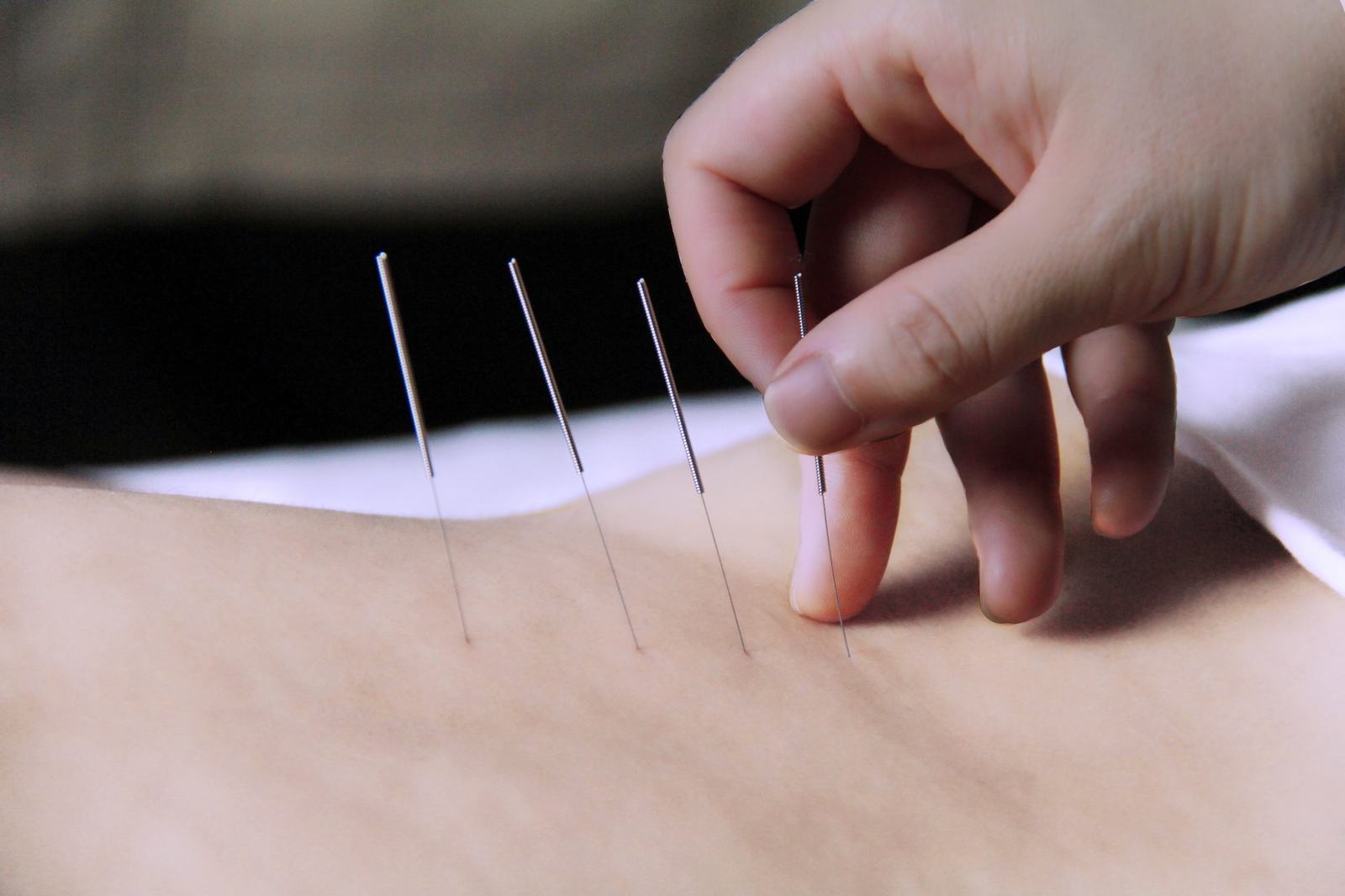
Acupuncture follows "unblock the collaterals to stop pain": segmental huatuojiaji points around the affected dermatome with surrounding needling of ashi areas, plus Hegu (LI4), Taichong (LR3), Xuehai (SP10), Geshu (BL17); collateral pricking, cupping and auricular seeds as adjuncts. Deficiency patterns get gentle needling with moxa; convalescent care uses diet to rebuild the milieu for nerve repair.
Common patterns and treatment directions
| Pattern | Typical presentation | Approach |
|---|---|---|
| Heat-toxin damaging the collaterals | Rash recently healed, marked burning pain, redness and heat locally, dry mouth and constipation | Clear heat-toxin: segmental huatuojiaji, surrounding needling of ashi areas, Hegu (LI4), Quchi (LI11) |
| Blood stasis obstructing the collaterals | Stabbing shock-like fixed pain, worse at night, dark tongue with stasis marks | Invigorate blood: Geshu (BL17), Xuehai (SP10), ashi areas, Taichong (LR3) — with collateral pricking and cupping |
| Qi stagnation with blood stasis | Distending wandering pain fluctuating with mood, relieved by sighing, common on chest and flanks | Move qi and blood: Taichong (LR3), Neiguan (PC6), Yanglingquan (GB34), ashi areas, with emotional support |
| Qi-yin damage | Longer course, smoldering pain, fatigue and short breath, dry mouth and throat, warm palms and soles | Tonify qi and nourish yin: Zusanli (ST36), Sanyinjiao (SP6), Taixi (KI3), Qihai (CV6) — gentle with moxa |
Patterns are determined in person. This list is for orientation only and is not a self-diagnosis tool.
The Evidence
- Clinical studies of acupuncture for postherpetic neuralgia are mostly small trials suggesting possible pain and sleep benefit; high-quality evidence remains limited — analgesic medication stays led by pain or neurology specialists.
— Overall evidence from small clinical trials; limited certainty
What to expect: first visit to follow-up
- First visit · about 40 minutesConfirm whether the rash is healed or healing, the pain segment and character; screen for eye and dissemination risks. Acute-stage patients return to dermatology for antivirals first.
- Plan discussion · same dayWe explain the pattern, the huatuojiaji and surrounding-needling plan, the relationship to analgesics (alongside, not instead), and the signals requiring ophthalmology or pain clinic input.
- Weeks 1-4One to two sessions weekly targeting burning pain, shock-like jabs and sleep; you log pain and medication in the diary.
- Week 4-8 · first reviewDiary data on intensity and sleep guides continuation with lengthening intervals — or a pain-clinic re-evaluation if there is no response.
Course of care and follow-up
- A 4-8 week assessment cycle based on the pain diary
- Once pain stably decreases, maintenance every 2-4 weeks moving toward self-management
- Analgesic adjustment stays led by pain or neurology specialists — we never lead dose changes
- Return promptly for new sensory changes or weakness in the affected area
When to Seek Care
Before your visit:
- During and after the rash: keep the area clean; loose soft clothing to reduce friction
- Take analgesics regularly as prescribed — not "only when it hurts"; steady blood levels work better
- Keep a pain diary: location, character (burn/stab/shock), intensity and sleep impact
Consider an in-person consultation if:
- New rash with pain — within 72 hours to start antivirals
- Shingles near the eye (rash, redness) — see ophthalmology promptly
- Pain persisting beyond one month, or requiring escalating doses
- Pain disturbing sleep and mood beyond two weeks
Supportive Care
- Sleep first: night pain often worsens; arrange analgesia and wind-down routines in advance
- Skin protection: sun-protect healed scars; avoid extreme hot and cold stimuli
- Gentle activity: walking and stretching improve circulation and mood; do not strain the affected area
- Emotions: anxiety and depression are common under chronic pain; seek psychological support when needed
FAQ
Will postherpetic neuralgia go away on its own?
Some people improve gradually within a year, but older age, diabetes and delayed treatment make chronicity more likely. Rather than betting on spontaneous recovery, start proper analgesia early and support nerve repair — the longer it lingers, the harder it is to pull out.
Can acupuncture replace painkillers?
No. Analgesia is led by pain or neurology specialists; acupuncture is adjunctive — easing pain intensity, improving sleep and mood, and thereby supporting any doctor-guided reduction of medication.
Want your situation assessed? Book a consultation.
Prepared by licensed TCM physicians · Updated 2026-09