
Scope of Care · A
Trigeminal neuralgia
Last updated: 2026-09-20 · Prepared by licensed TCM physicians · Updated 2026-09
Key Points
Trigeminal neuralgia causes recurrent, severe electric-shock-like pain in the territory of the trigeminal nerve — usually one side of the face — lasting seconds to a couple of minutes.
- Often called one of the most painful conditions; brushing teeth, washing the face, talking or even a breeze can trigger it
- Most common after age 50; slightly more frequent in women
- Many patients have "trigger zones" — a light touch sets off an attack
- Acupuncture is a WHO-listed indication; we use it alongside, not instead of, medical treatment
First, what cannot wait
- Facial pain with one-sided limb weakness or slurred speech — possible stroke
- Pain with high fever or altered consciousness
- Facial numbness or sensory loss (unusual in classic trigeminal neuralgia)
- New onset before age 40, or bilateral pain
- No response to properly dosed medication — other causes need re-evaluation
- Accompanying hearing loss or tinnitus
Understanding the Condition
The trigeminal nerve carries sensation from the face. When compressed by a nearby vessel or otherwise irritated, it fires like a short circuit: a sudden, stabbing, electric pain shooting through the cheek or jaw, gone in seconds, repeating many times a day.
The cruelest part is not the pain itself but the unpredictability — many people stop brushing, eating properly or going out, and quality of life erodes fast.
Why It Keeps Coming Back
The usual mechanism is pulsatile compression of the trigeminal nerve root by a blood vessel; occasionally it is an early sign of multiple sclerosis — which is why new cases should first be assessed by a neurologist before any complementary treatment begins.
Carbamazepine and related drugs are first-line therapy. When they lose effect or cause dizziness and drowsiness that cannot be tolerated, the adjunctive value of non-drug approaches becomes relevant.
Our Pattern-Based Approach
TCM classifies it as "facial pain" and reads it mainly through wind, fire and stasis: attacks set off by cold point to wind-cold in the channels; burning pain with a red face to stomach or liver fire rising; fixed stabbing pain to blood stasis; long-standing smoldering pain to yin deficiency with fire.
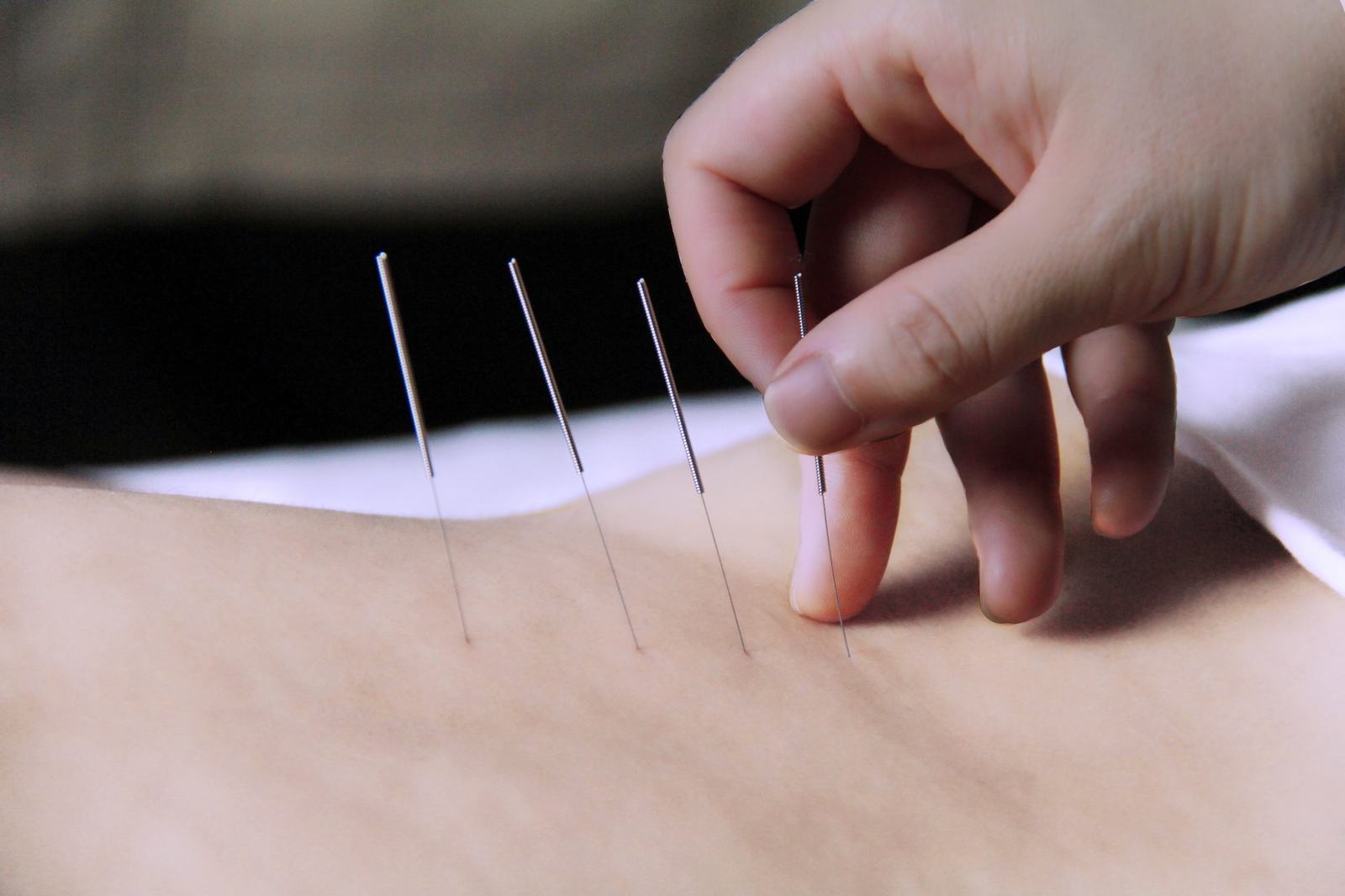
Needling follows the affected branch: ophthalmic — Zanzhu (BL2), Yangbai (GB14); maxillary — Sibai (ST2), Quanliao (SI18); mandibular — Xiaguan (ST7), Dicang (ST4); distal points Hegu (LI4), Taichong (LR3), Neiting (ST44). Technique is shallow and gentle, deliberately avoiding heavy stimulation at trigger zones.
Common patterns and treatment directions
| Pattern | Typical presentation | Approach |
|---|---|---|
| Wind-cold in the channels | Attacks triggered by cold wind, tight aching pain, cold feeling in the face, slightly relieved by warmth | Expel wind-cold and unblock: Fengchi (GB20), Xiaguan (ST7), Hegu (LI4), Waiguan (SJ5), with warm moxibustion |
| Stomach fire rising | Burning paroxysmal pain, bad breath and thirst, constipation, swollen gums, triggered by eating | Clear stomach fire: Neiting (ST44), Jiache (ST6), Xiaguan (ST7), Hegu (LI4), with a light diet |
| Liver fire flaming upward | Abrupt severe pain, irritability, red face and eyes, bitter taste, worse after emotional upset | Drain liver fire: Taichong (LR3), Xiaxi (GB43), Fengchi (GB20), Taiyang, with emotional support |
| Blood stasis obstructing the network | Fixed stabbing pain, long duration, worse at night | Invigorate blood: shallow needling around ashi areas, Geshu (BL17), Xuehai (SP10), with collateral pricking |
| Yin deficiency with fire | Smoldering burning pain, unrelenting, malar flush, warm palms and soles, dry mouth | Nourish yin and subdue fire: Taixi (KI3), Sanyinjiao (SP6), Taichong (LR3), gentle with longer needle retention |
Patterns are determined in person. This list is for orientation only and is not a self-diagnosis tool.
The Evidence
- The WHO indication list for acupuncture includes trigeminal neuralgia.
— WHO, Acupuncture: Review and Analysis of Reports on Controlled Clinical Trials - Clinical studies of acupuncture for trigeminal neuralgia are mostly small trials suggesting a possible adjunctive benefit in reducing attacks; high-quality evidence remains limited — which is why we maintain co-management with neurology.
— Overall evidence from small clinical trials; limited certainty
What to expect: first visit to follow-up
- First visit · about 40 minutesBring your neurologist's diagnosis and current medication list. We take a history, examine the affected branch and trigger zones, and establish a pattern diagnosis. For new cases we insist diagnosis comes first.
- Plan discussion · same dayWe explain the pattern, planned points and stimulation intensity, the relationship to your current medication (adjunct, not replacement), and the review schedule.
- Weeks 1-4One to two sessions weekly with shallow, gentle needling, tracking attack frequency and duration; you keep the pain diary.
- Week 4-6 · first reviewJoint review of diary data and medication tolerability: continue, adjust points, or advise a medication review with your neurologist.
Course of care and follow-up
- A 4-6 week observation period per cycle, close to the course settings in small published trials
- Once attacks decrease, maintenance every 2-4 weeks with progressively longer intervals
- Medication remains led by your neurologist: never self-adjust dose or stop
- Return for neurological re-evaluation promptly if numbness, bilateral pain or drug failure appears
When to Seek Care
Before your visit:
- Keep a pain diary: location, duration, triggers that day (wind, chewing, touch)
- Wash with warm water, use a soft toothbrush, avoid known trigger zones
- Avoid very hot or very cold foods during flare periods
Consider an in-person consultation if:
- New-onset severe facial pain — see a neurologist first for diagnosis
- Poor control on medication, or intolerable side effects such as dizziness or drowsiness
- Pain badly affecting eating, washing and social life
Supportive Care
- Keep the face warm; avoid direct cold wind; wash with warm water
- Regular meals: soft foods, small unhurried bites
- Adequate sleep — fatigue is a common trigger
- Steady emotions: anxiety amplifies pain perception; practice slow breathing
FAQ
Can acupuncture replace carbamazepine?
No. First-line treatment is medication; acupuncture is adjunctive — helping reduce attacks and ease the tension and sleep problems that come with them. Any change in medication must be made by your neurologist.
Will you needle the trigger zone directly?
We usually avoid heavy stimulation at trigger zones, needling around them and at distal points with gentle technique. The aim is to lower overall nerve excitability, not to fight pain with pain.
Want your situation assessed? Book a consultation.
Prepared by licensed TCM physicians · Updated 2026-09
Related case note Electric shocks across the face: assessing trigeminal neuralgia and where the boundaries lie Read the case note →