
Scope of Care · A
Migraine
Last updated: 2026-09-20 · Prepared by licensed TCM physicians · Updated 2026-09
Key Points
Migraine is a recurring, moderate-to-severe throbbing headache, often one-sided, frequently with nausea and sensitivity to light and sound.
- About 1 billion people worldwide live with migraine; women are 2-3× more affected than men
- Attacks usually last 4-72 hours; some people experience aura (flashes, visual gaps) beforehand
- The WHO ranks it among the most disabling neurological conditions
- Acupuncture is a WHO-listed indication; Cochrane evidence supports its preventive use
First, what cannot wait
- A sudden "thunderclap" headache reaching peak intensity within seconds
- Headache with fever, stiff neck, confusion or seizures
- Headache with slurred speech or weakness/numbness on one side — possible stroke
- Headache after a head injury
- A clear change in pattern: different location, character or frequency
- New headache after age 50
- Headache clearly worsened by coughing, straining or position changes
Understanding the Condition
Migraine is not "a worse ordinary headache" — it is a distinct neurological condition. Think of a misfired power grid in the brain: blood vessels and nerves fall out of sync, producing a pounding, often one-sided pain.
In plain words: an ordinary headache is like muscle soreness; a migraine is like a blackout restart — during an attack, most people simply cannot function and retreat to a dark, quiet room.
Why It Keeps Coming Back
Because triggers are scattered across daily life: irregular sleep, skipped meals, bright light, weather changes, hormonal shifts, specific foods… Enduring it or popping painkillers only presses pause.
Frequent painkiller use can also cause medication-overuse headache — pain that gets worse the more you treat it. That is one common reason migraine feels increasingly stubborn.
Our Pattern-Based Approach
TCM reads migraine not as "a painful spot" but as "a pattern of imbalance." Common patterns: liver yang rising — a throbbing pain that flares with anger; liver qi stagnation turning to fire — distending pain after long-suppressed emotions; phlegm-dampness disturbing upward — a heavy, wrapped feeling with nausea.
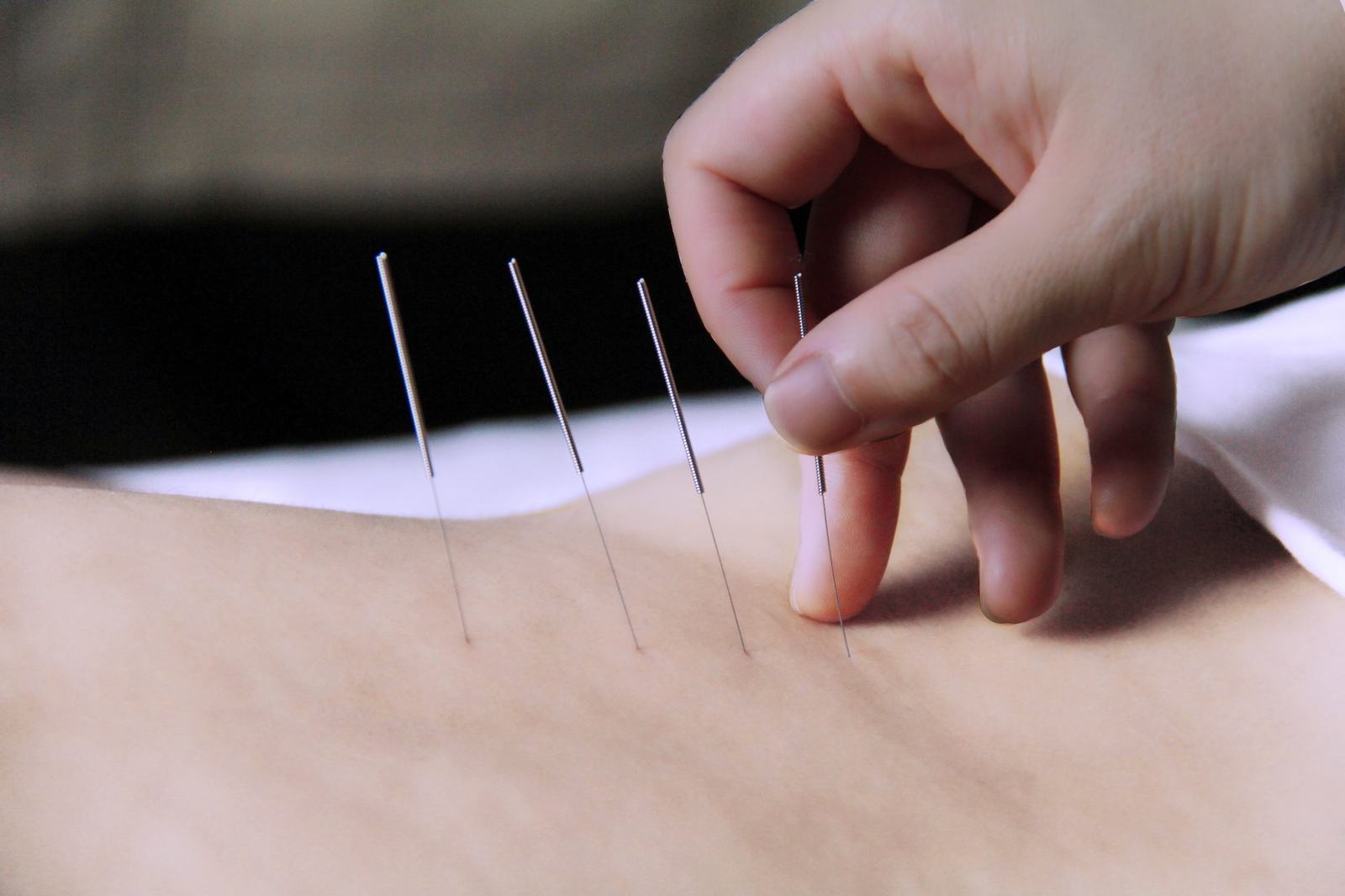
Acupuncture aims to guide the "rushing qi" back down: points along the shaoyang and jueyin channels, plus individualized tuina and lifestyle adjustment. For frequent sufferers, we focus on the interval between attacks — not just firefighting on painful days.
Common patterns and treatment directions
| Pattern | Typical presentation | Approach |
|---|---|---|
| Liver yang rising | Throbbing distending pain, irritability, flushed face, often with elevated blood pressure | Pacify liver and subdue yang: Taichong (LR3), Fengchi (GB20), Taiyang — with head tuina |
| Liver qi stagnation turning to fire | Triggered by emotional swings, bitter taste, flank distension, worse premenstrually | Course liver and clear fire: Hegu (LI4), Taichong (LR3), Yanglingquan (GB34), plus emotional and routine support |
| Phlegm-dampness disturbing the head | Heavy "wrapped" head, dullness, nausea, worse in damp weather | Transform phlegm and descend turbidity: Fenglong (ST40), Zhongwan (CV12), Baihui (GV20), with diet and weight guidance |
| Qi and blood deficiency | Dull lingering pain, worse after exertion, pale complexion, light sleep | Tonify qi and nourish blood: Zusanli (ST36), Sanyinjiao (SP6), Baihui (GV20) — gentle needling, few points |
| Blood stasis obstructing the network | Fixed location, long history, stabbing pain, worse at night | Invigorate blood and unblock collaterals: ashi points, Geshu (BL17), Xuehai (SP10), with collateral pricking or warm needling |
Patterns are determined in person. This list is for orientation only and is not a self-diagnosis tool.
The Evidence
- An individual-patient-data meta-analysis of ~18,000 participants (Vickers et al., 2012) found acupuncture significantly superior to sham acupuncture and usual care for chronic pain, including migraine.
— Vickers et al., 2012, Archives of Internal Medicine (now JAMA Internal Medicine) - A 2016 Cochrane systematic review found acupuncture at least as effective as prophylactic drugs for migraine prevention, with fewer side effects.
— Cochrane Database of Systematic Reviews, 2016 - The WHO indication list for acupuncture includes preventive treatment of migraine.
— WHO, Acupuncture: Review and Analysis of Reports on Controlled Clinical Trials
What to expect: first visit to follow-up
- First visit · about 40 minutesBring your headache diary and prior tests. We take a full history, read the pulse and tongue, and establish a pattern diagnosis — first checking whether yours is a case suited to acupuncture and herbal care. If red flags appear, we will advise referral first.
- Plan discussion · same dayWe explain the working pattern diagnosis, planned points and treatment frequency, when the first review will happen, and which situations should be managed jointly with a neurologist.
- Weeks 1-4One to two sessions per week, focused on reducing attack frequency and intensity. You keep logging your headache diary at home.
- Week 4-8 · first reviewDiary data before and after treatment guides whether we continue, adjust point selection, or move to a longer maintenance interval.
Course of care and follow-up
- Assessment usually runs in 4-8 week cycles (matching the course lengths used in the Cochrane trials)
- Once attacks clearly decrease, care may shift to maintenance every 2-4 weeks
- Pattern diagnosis is re-assessed yearly or whenever symptoms change — patterns shift with constitution, age and season
- We work alongside your neurologist throughout: never stop or reduce prescribed medication on your own
When to Seek Care
Before your visit:
- Keep a headache diary (timing, triggers, sleep, diet)
- Regular routine; avoid skipped meals and late nights
- Use painkillers under medical guidance, and watch frequency
Consider an in-person consultation if:
- ≥4 attacks per month, or increasingly frequent painkiller use
- Changing pattern: more aura, altered pain character
- Persistent neurological signs (slurred speech, limb weakness) — seek emergency care immediately
Supportive Care
- Sleep regularity: a fixed wake-up time beats a fixed bedtime
- Diet: note common triggers (aged cheese, red wine, processed meat, MSG) and avoid them individually
- Emotions: for irritability-triggered attacks, the goal is "coursing", not "suppressing"
- Adjust routine ahead of seasonal transitions to buffer barometric swings
FAQ
How long before acupuncture helps?
For prevention, results are assessed in weekly courses (e.g., 1-2 sessions per week for 4-8 weeks, the range used in the Cochrane trials). We promise no "quick fix" — your own frequency and intensity records are more reliable than any verbal promise.
Can migraine be cured?
Migraine is a manageable chronic condition, not a curable one. A realistic goal: fewer attacks, milder intensity, less reliance on painkillers. That is where evidence-based care and TCM both point.
Want your situation assessed? Book a consultation.
Prepared by licensed TCM physicians · Updated 2026-09
Related case note More painkillers, yet the headaches keep coming more often Read the case note →