
Scope of Care · B
Peripheral neuropathy
Last updated: 2026-09-20 · Prepared by licensed TCM physicians · Updated 2026-09
Key Points
Peripheral neuropathy is nerve damage in the limbs causing numbness, tingling, burning or weakness, typically starting symmetrically in both feet in a "glove-and-stocking" pattern.
- Diabetes is the leading cause — a substantial share of people a decade into diabetes are affected
- Other causes: chemotherapy, B-vitamin deficiency, alcohol, hypothyroidism, autoimmune disease
- Peripheral neuropathy is a WHO-listed acupuncture indication
- Warm foot soaks: test with your elbow first — desensitised skin burns easily
First, what cannot wait
- Numbness and weakness climbing rapidly over hours to days (feet to legs to arms) — suspect Guillain-Barré syndrome; emergency immediately
- With difficulty urinating, constipation or shallow breathing
- Non-healing foot wounds, redness or pus — diabetic foot risk
- Progressive weakness of both feet, frequent falls
- Numbness with significant weight loss, anaemia or glossitis (B12 deficiency clues)
- Pain severe enough to disrupt sleep and walking
Understanding the Condition
Peripheral nerves are the wiring running from the spinal cord to hands and feet. When the insulation or the axon is damaged, transmission distorts: feet feel like walking on cotton, pebbles seem to sit inside the socks, soles burn at night — or sensation simply disappears, so cuts and knocks go unnoticed.
It usually starts symmetrically in both feet and climbs slowly, which is itself a key clue to its "peripheral" nature. Finding the cause — glucose? vitamins? medication? — matters more than numbing the pain.
Why It Keeps Coming Back
Because reduced sensation sets up a hidden vicious cycle: no pain felt → small wounds ignored → ulcer and infection → diabetic foot. Managing numbness is therefore not just about comfort but about preventing amputation.
Treating the cause is the main line (glucose control, vitamin replacement, stopping the offending drug — doctor's call), but nerves repair slowly; that is exactly where non-drug support earns its place.
Our Pattern-Based Approach
TCM places this under "blood bi", "wei atrophy" and "numbness": qi and blood failing to nourish the extremities with congested collaterals. "Ma" (tingling) points to qi-blood insufficiency; "mu" (dead numbness) to stasis and phlegm-damp; yang deficiency with cold congealing gives ice-cold feet; damp-heat gives burning restlessness.
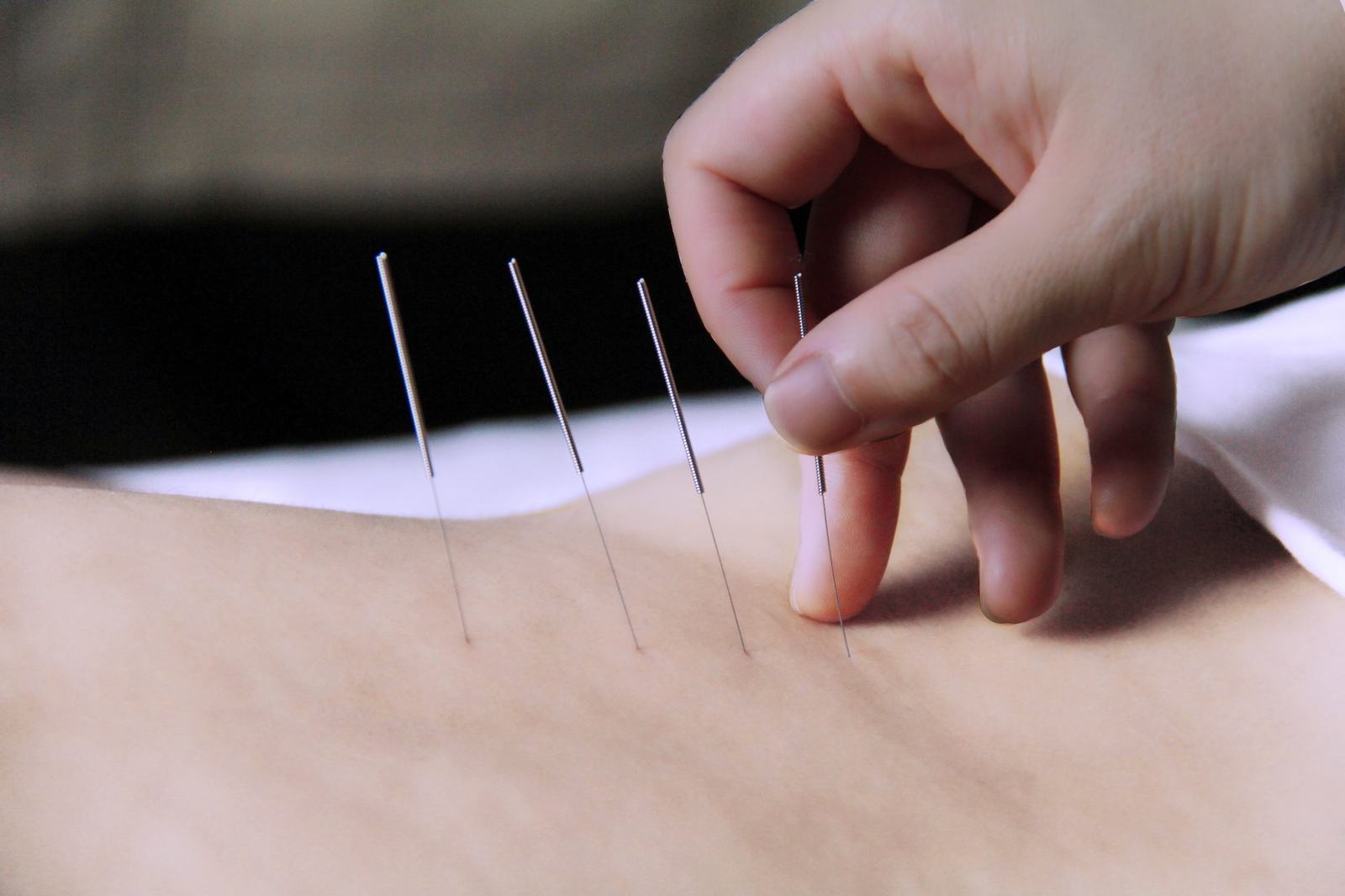
Acupuncture combines local and distal points: feet — Bafeng, Taichong (LR3), Taixi (KI3); hands — Baxie, Hegu (LI4); supported by Zusanli (ST36), Sanyinjiao (SP6), Guanyuan (CV4) to nourish qi and blood. Moxibustion is used heavily for yang-cold patterns, its warmth serving as "re-education" for numb nerves; herbal soaks and channel-based tuina improve microcirculation.
Common patterns and treatment directions
| Pattern | Typical presentation | Approach |
|---|---|---|
| Qi and blood deficiency | Ant-crawling numbness in all four limbs, fatigue, pale complexion, worse after exertion | Nourish qi and blood for the collaterals: Zusanli (ST36), Sanyinjiao (SP6), Guanyuan (CV4), Bafeng and Baxie — gentle needling with moxibustion |
| Yang deficiency with cold congealing | Ice-cold numb hands and feet, worse in cold, slightly relieved by warmth, aversion to cold | Warm yang and disperse cold: heavy moxibustion at Guanyuan (CV4), Mingmen (GV4), Zusanli (ST36), with herbal soaks |
| Blood stasis obstructing the collaterals | Numbness with stabbing pain, worse at night, dusky skin, purple tongue with stasis marks | Invigorate blood: Xuehai (SP10), Geshu (BL17), Bafeng and Baxie, ashi points — with collateral pricking |
| Damp-heat soaking the channels | Burning numb soles, restless heat and sweating, sticky bitter mouth, greasy yellow coating | Clear heat and drain dampness: Yinlingquan (SP9), Sanyinjiao (SP6), Neiting (ST44), Bafeng — no warming moxa |
| Liver-kidney depletion | Long-standing numbness with atrophic weakness, sore lower back, dizziness and tinnitus | Nourish liver-kidney: Taixi (KI3), Ganshu (BL18), Shenshu (BL23), Zusanli (ST36) — slow needling with functional exercises |
Patterns are determined in person. This list is for orientation only and is not a self-diagnosis tool.
The Evidence
- The WHO indication list for acupuncture includes peripheral neuropathy.
— WHO, Acupuncture: Review and Analysis of Reports on Controlled Clinical Trials - Randomised trials and systematic reviews of acupuncture for painful diabetic neuropathy suggest possible benefit for pain and sleep, but studies are generally small and conclusions await higher-quality evidence.
— Existing systematic reviews based mainly on small trials; limited certainty
What to expect: first visit to follow-up
- First visit · about 40 minutesWe map the history (diabetes, chemotherapy, medication, alcohol) and examine the distribution pattern; red flags lead straight to referral. Bring recent glucose and vitamin results.
- Plan discussion · same dayWe explain the pattern, points and whether moxa is used, stress daily foot inspection and burn prevention, and spell out who manages what with your physician.
- Weeks 1-4One to two sessions weekly focused on easing pain and abnormal sensation and improving circulation; you complete daily foot checks and log them.
- Week 4-8 · first reviewPain scores, sleep impact and the foot-check log guide whether we continue, adjust, or advise further specialist testing such as nerve conduction studies.
Course of care and follow-up
- A 4-8 week assessment cycle; nerve repair is slow — judge trends, not single weeks
- Once symptoms stabilise, maintenance every 2-4 weeks
- Management of the underlying condition (glucose, supplements) stays with your physician
- Re-assess at seasonal transitions — cold patterns and damp-heat patterns call for entirely different point strategies
When to Seek Care
Before your visit:
- Inspect both feet daily (use a mirror for the soles); watch for cuts, blisters, colour changes
- Loose dry footwear; warm foot soak before bed after testing with your elbow
- Keep the underlying condition in check: glucose, thyroid, vitamin levels as your doctor advises
Consider an in-person consultation if:
- Numbness clearly worsening or climbing toward calves and thighs
- Weak feet, unsteady gait, frequent stumbling
- Non-healing wounds, blisters or colour changes on the feet
- Numbness during chemotherapy — report to your oncologist promptly
Supportive Care
- No hot water bottles, electric blankets or self-administered moxa on desensitised areas
- Trim nails straight across to prevent ingrown nails and micro-wounds
- Balance training (single-leg stands while holding support) reduces fall risk
- Stop smoking: nicotine worsens peripheral vasoconstriction
FAQ
Can the numbness recover?
Nerves do repair, but slowly. Early-stage disease has the best chance of real recovery; long-standing severe neuropathy aims at "control symptoms, prevent progression". The honest framing: acupuncture helps us ease pain and abnormal sensation and make life more liveable — not restore the nerves to factory condition.
Can I do moxibustion on my numb feet myself?
We advise against it. With reduced sensation, your judgment of temperature is unreliable and burn risk far above normal. Have a therapist do it, or let a family member test warmth with an elbow repeatedly and keep soaks brief.
Want your situation assessed? Book a consultation.
Prepared by licensed TCM physicians · Updated 2026-09